Technology·
Netflix's Devil May Cry: A Prank or Genius Adaptation?
Adi Shankar's latest Netflix animated series, *Devil May Cry* Season 2, has audiences and critics scratching their heads. It manages to be both strikingly unfaithful to Capcom's games and, paradoxically, a pitch-perfect parody. This unusual approach sparks debate on what makes a successful video game adaptation.
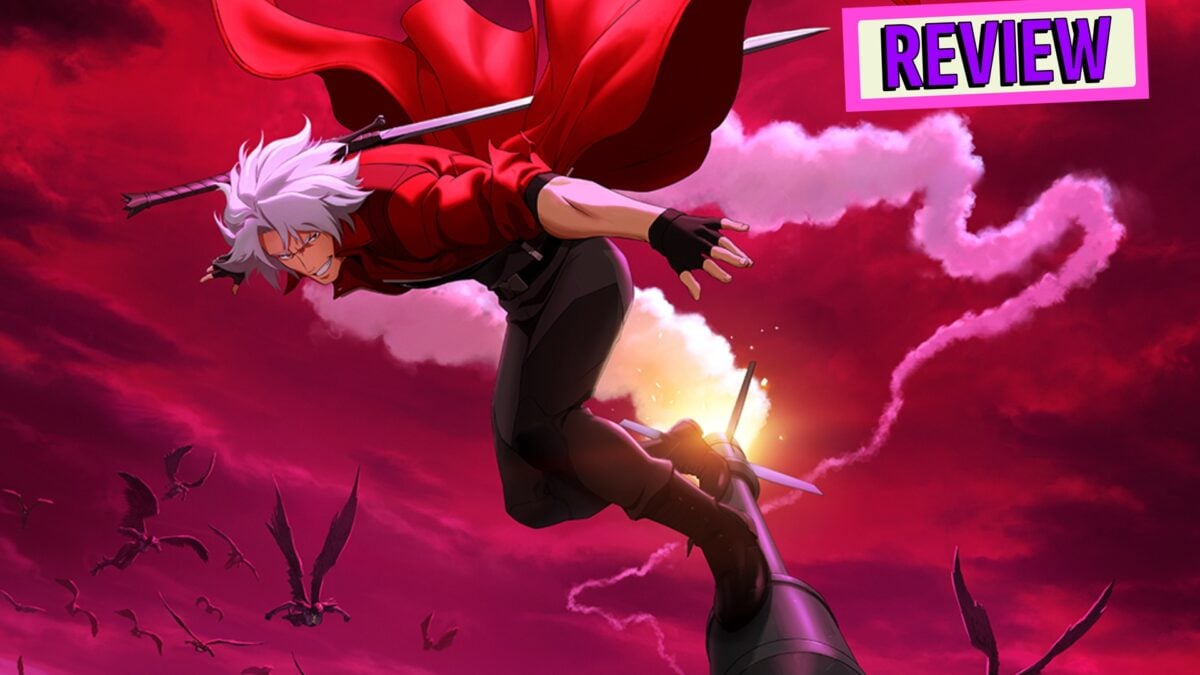
When Netflix released the second season of its Devil May Cry animated series, many viewers braced themselves for another interpretation of Capcom's iconic demon-hunting franchise. What they got instead, according to some, was something far stranger: a show that feels less like a straightforward adaptation and more like an elaborate, self-aware prank.
Helmed by Adi Shankar, known for his work on Netflix's acclaimed Castlevania series, Devil May Cry Season 2 presents a curious paradox. On one hand, it's been described as objectively unfaithful to the source material, a sentiment that usually spells doom for game-to-screen projects. Yet, at the same time, critics have called it a "pitch-perfect parody" of the very series it purports to adapt. This leaves us to wonder: is Shankar a visionary playing a meta-joke on an unsuspecting audience, or has the adaptation stumbled into accidental brilliance?
The Paradox of Dante's Return
For those unfamiliar with Capcom's games, Devil May Cry centers on Dante, a half-demon, half-human mercenary who hunts supernatural entities with style, bravado, and a pair of signature pistols named Ebony and Ivory. The games are known for their over-the-top combat, rock-and-roll attitude, and often complex, albeit stylish, narratives. Translating that specific blend of action and personality to animation is no small feat.
Shankar's Castlevania adaptation, which concluded in 2021, succeeded largely because it captured the gothic atmosphere, character essence, and mature themes of Konami's classic games while expanding the lore in meaningful ways. It became a benchmark for how to do video game adaptations right. This history makes the DMC series' current reception all the more intriguing. It's not a simple case of a bad adaptation; it’s a bizarre dance between homage and mockery. The show seems to understand the core aesthetics of Devil May Cry – the flashy combat, the quippy dialogue, the sheer absurdity – but then twists them into something that feels both familiar and deeply irreverent.
Shankar's Signature & Netflix's Strategy
Adi Shankar has built a reputation on taking beloved, often dark, video game IPs and giving them a mature animated treatment. His approach often involves pushing boundaries, and this Devil May Cry series certainly fits that mold, albeit in an unexpected direction. The idea of a show being simultaneously "unfaithful" and a "perfect parody" suggests a level of intentionality, a wink and a nod to fans who know the source material inside and out.
This kind of meta-narrative isn't new in entertainment, but it's relatively rare in video game adaptations, which typically strive for earnest fidelity or, more commonly, fall flat trying. Netflix, meanwhile, has been aggressively expanding its animated content library, particularly with projects based on popular video game franchises. Beyond Castlevania and Devil May Cry, we've seen Arcane (based on League of Legends), Cyberpunk: Edgerunners, and forthcoming adaptations like Gears of War and BioShock. The streamer is clearly invested in these properties, looking for ways to capture existing fanbases and draw in new viewers.
Why it matters
The peculiar success – or deliberate oddity – of Devil May Cry Season 2 raises interesting questions for the future of video game adaptations. Does it signal a new frontier where creators can play with audience expectations, offering a commentary on the source material rather than just a straight retelling? Or is it a niche experiment that only works for certain, already over-the-top franchises? For fans, it's a wild ride that forces a re-evaluation of what they expect from adaptations. For creators and studios, it might just open a door to more experimental, self-aware storytelling, pushing the boundaries of what a video game adaptation can be beyond a simple transliteration of plot points. We'll be watching to see if this trend gains traction, or if Devil May Cry remains a singular, perplexing entry in the growing catalog of game-to-screen projects.
- netflix
- devil may cry
- adi shankar
- video game adaptation
- animation
- capcom
Sources
- I Can't Tell if Netflix's 'Devil May Cry' Is an Elaborate Prank · Isaiah Colbert
Related
Netty DNS Poisoning: A Recurring Threat to Network Apps
A new vulnerability, CVE-2026-45674, has surfaced in Netty, a widely used network application framework. The flaw allows for DNS cache poisoning due to improper validation of CNAME records, potentially redirecting users to malicious sites. Developers should update to versions 4.1.135.Final or 4.2.15.Final immediately.
Jun 12, 2026
Nvidia's Computex Keynote: Arm Chip Speculation Heats Up
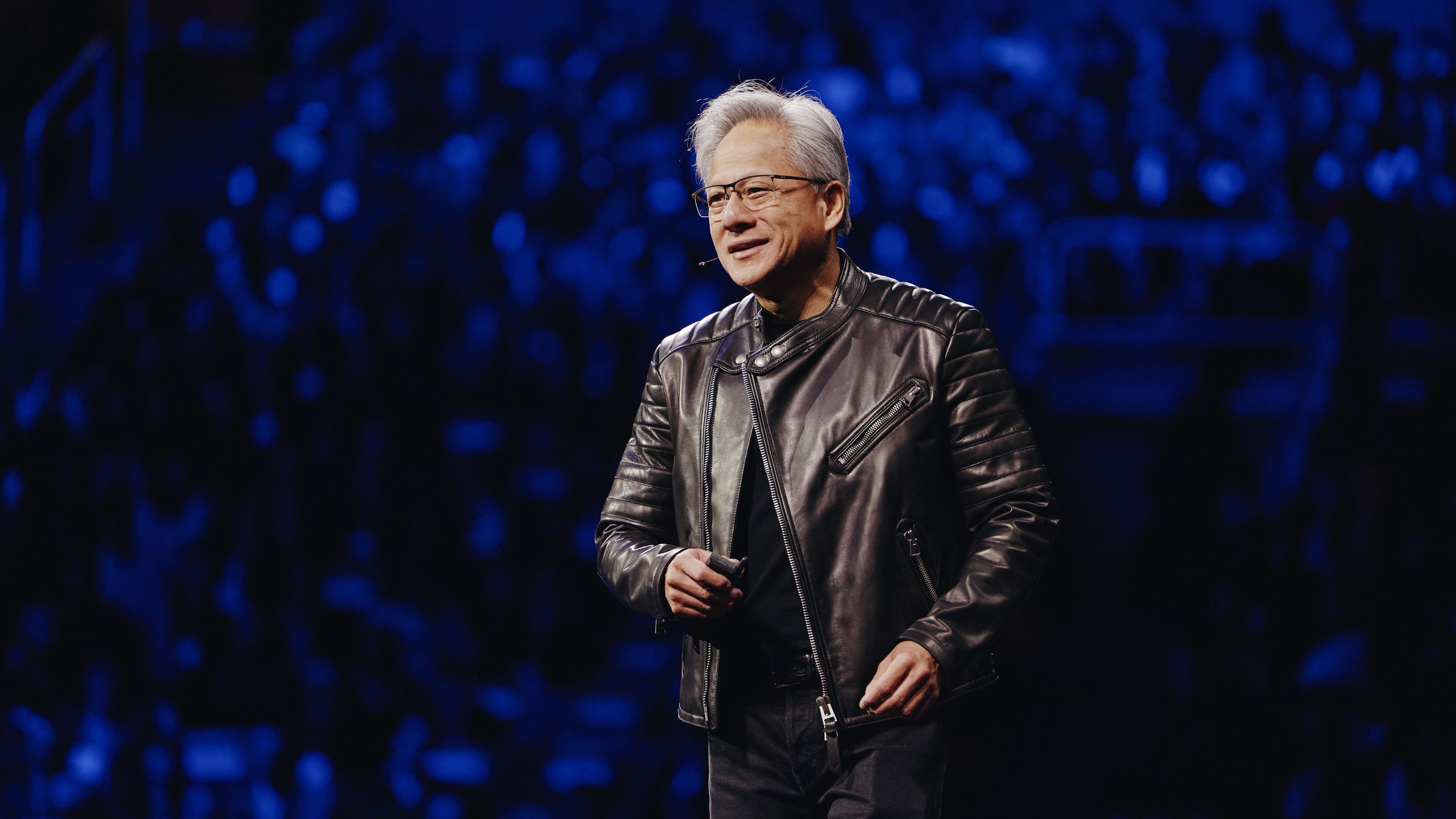
Jensen Huang is on stage at Computex 2026, and the tech world is watching closely. Rumors suggest Nvidia might unveil an Arm-based chip, setting up a direct challenge to Apple, Intel, and Qualcomm in the CPU space. Investors are also keen to see how the week's announcements impact Nvidia's stock.
Jun 1, 2026
Open5GS DoS Flaw Puts 5G Core Networks at Risk
A critical denial-of-service vulnerability, CVE-2026-10117, has been found in Open5GS versions up to 2.7.7. The flaw in a core networking component allows remote attackers to disrupt services, with a public exploit already available. This poses an immediate threat to deployments relying on the open-source 5G core.
May 30, 2026