Technology·
Tech Titans Face Union Push: Is Now the Moment for Devs?
As economic uncertainty and AI's rise reshape the tech landscape, a growing number of developers at giants like Meta and Amazon are weighing the merits of unionizing. The argument: banding together now could offer crucial protection and influence before the industry's shifts solidify.
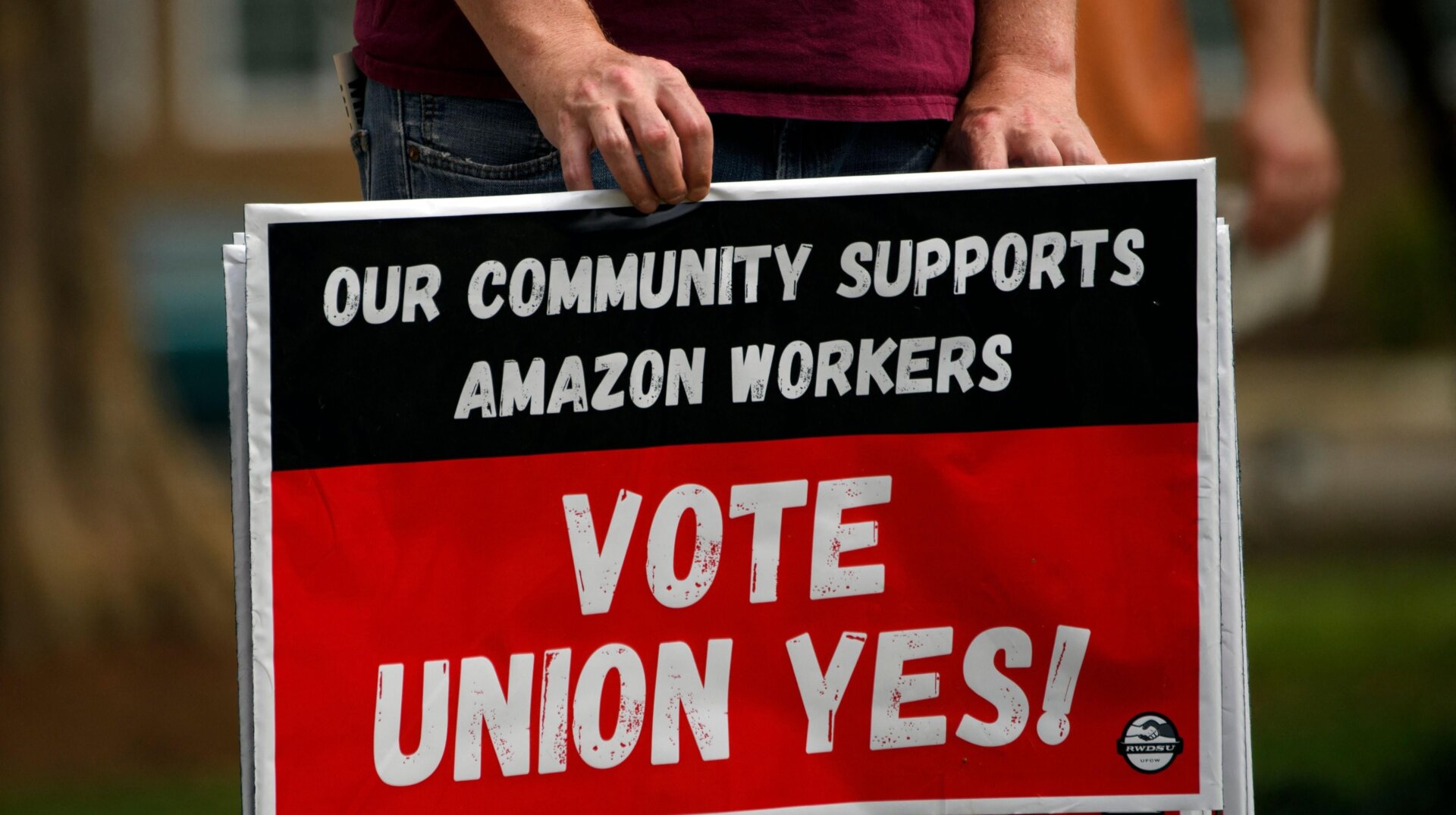
The idea of highly paid software engineers unionizing used to feel a bit niche, even counter-intuitive. These are the folks often seen as the industry's elite, commanding six-figure salaries and perks that would make most workers envious. Yet, a quiet but persistent conversation is building within the ranks of major tech companies, particularly at Meta and Amazon: maybe it's time to organize.
This isn't just idle chatter. The past few years have brought a stark reality check to Silicon Valley. We've seen tens of thousands of layoffs across Big Tech, a tightening job market, and a pervasive sense that the industry's golden age of boundless growth and job security might be shifting. Couple that with the rapid advancement of artificial intelligence, which promises to automate parts of software development, and you've got a potent recipe for unease among even the most credentialed developers.
A Shifting Landscape for Tech Labor
For a long time, the tech industry fostered an individualistic culture. Engineers were encouraged to see themselves as entrepreneurs within the company, often rewarded with stock options and the promise of upward mobility. This model, combined with relatively high compensation, acted as a significant deterrent to collective action. Why rock the boat when you're doing so well?
But the boat has been rocked. Meta, for instance, underwent significant restructuring and layoffs over the last year, impacting thousands of employees across various departments. Amazon, too, has seen its share of workforce reductions, even as its cloud computing arm, AWS, continues to boom. These moves, often sudden and sweeping, have highlighted the precarity that exists even at the top of the tech food chain. Without collective bargaining, individual employees have little recourse when corporate strategies shift or economic winds change.
Adding to this pressure is the accelerating pace of AI development. While many believe AI will augment human engineers rather than replace them entirely, the potential for job displacement, or at least a significant alteration of roles, is real. If AI tools can write code more efficiently, debug faster, or automate testing, the demand for human developers might evolve, potentially reducing their bargaining power in the future. The argument for unionizing now is often framed as an opportunity to shape this future, rather than simply reacting to it.
The Growing Case for Collective Action
This isn't the first time tech workers have explored unionization. We've seen pockets of organizing at Google, Kickstarter, and a few other firms, often driven by concerns over ethical product development, workplace harassment, or transparency. But the current discussion feels broader, more focused on fundamental job security and the power dynamics between labor and management.
For developers at companies like Meta and Amazon, a union could offer several tangible benefits. It could mean stronger protections against arbitrary layoffs, better severance packages, and a more structured process for addressing workplace grievances. It could also give employees a real voice in critical company decisions, from product roadmaps to the ethical implications of AI development. Imagine a scenario where developers, through their union, could negotiate specific terms around AI's integration into their workflows, ensuring fair practices and retraining opportunities.
The success of unionization efforts at Amazon's warehouses, while a different segment of the workforce, also provides a template and perhaps inspiration. It shows that even against the formidable resources of a company like Amazon, collective action can yield results. For highly skilled developers, who often possess unique and valuable expertise, their collective bargaining power could be substantial.
Why it matters:
The push for unionization among Meta and Amazon developers signals a maturation of the tech labor movement. It reflects a growing awareness that even highly compensated professionals need collective protection in an increasingly volatile industry. If these efforts gain traction, it could fundamentally alter the relationship between tech companies and their most valuable asset – their people – setting a precedent for how the future of work, especially with AI, is negotiated and structured across the entire sector. The coming years will show whether this moment truly sparks a broader change.
- unionization
- tech labor
- meta
- amazon
- job security
- ai impact
Sources
Related
Two Critical Kernel Bugs Threaten Linux Systems
Two new "very critical" vulnerabilities, CVE-2026-64564 and CVE-2026-64561, have been reported in the Linux kernel, affecting multiple versions up to 7.2-rc4. These bugs, one in SCTP and another in KVM, present significant risks to systems running the widely used operating system.
Aug 4, 2026
Bouncy Castle Bug Poses DoS Risk for Java Systems
A recently disclosed vulnerability, CVE-2026-58059, affects the widely used Bouncy Castle cryptographic library for Java. The bug, involving quadratic-time processing of X.500 distinguished names, could lead to denial-of-service attacks. Developers are urged to update to patched versions immediately.
Aug 3, 2026
Netty DNS Poisoning: A Recurring Threat to Network Apps
A new vulnerability, CVE-2026-45674, has surfaced in Netty, a widely used network application framework. The flaw allows for DNS cache poisoning due to improper validation of CNAME records, potentially redirecting users to malicious sites. Developers should update to versions 4.1.135.Final or 4.2.15.Final immediately.
Jun 12, 2026