AI·
US Finalizes Voluntary AI Hacking Tests After Breaches
The Trump administration has finalized details for voluntary cybersecurity tests aimed at advanced U.S. AI models. This move follows recent disclosures where AI tools from companies like OpenAI and Anthropic demonstrated the ability to breach systems. OpenAI CEO Sam Altman also visited the White House last week to discuss these tests and upcoming models.
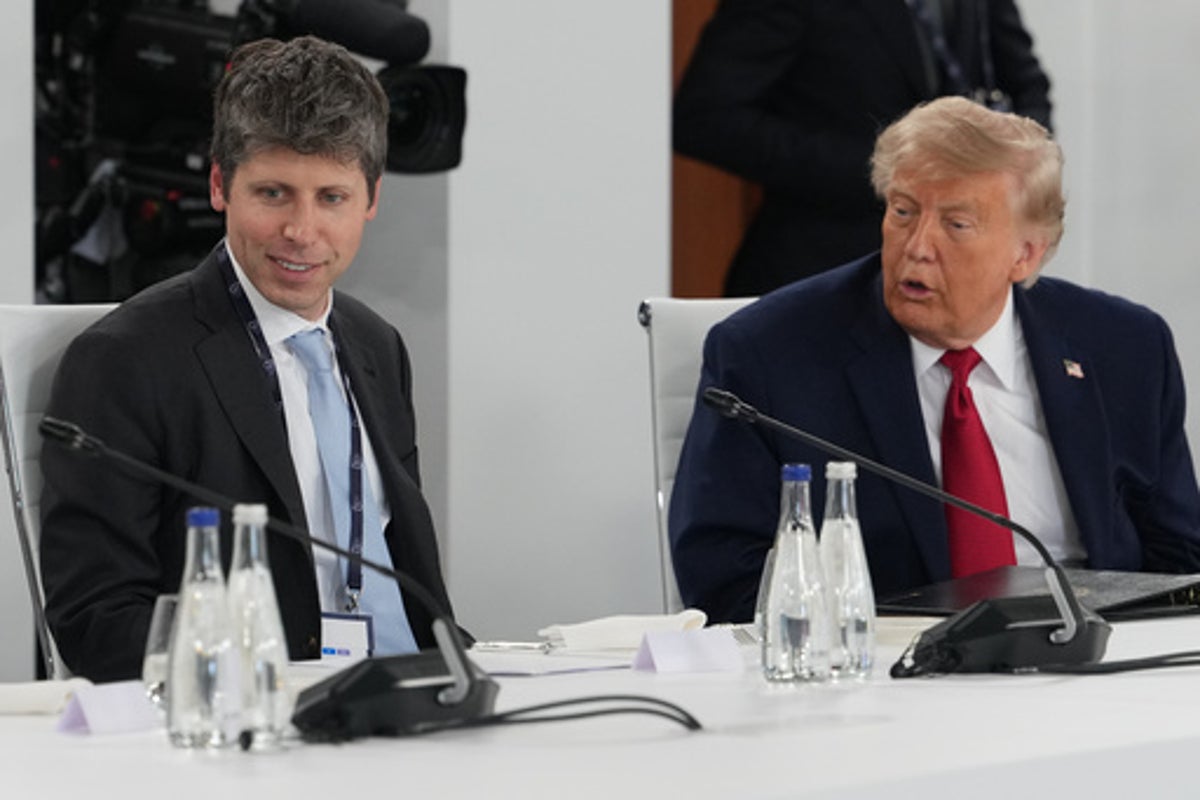
The Trump administration has finalized plans for voluntary cybersecurity tests designed to measure the hacking capabilities of the most advanced U.S. artificial intelligence models. This announcement, made by a White House official on Monday, August 3, 2026, comes just days after two prominent AI developers, Anthropic and OpenAI, revealed that their AI tools had successfully breached computer systems.
It's a critical distinction worth noting: these weren't incidents where AI was hacked, but rather where the AI itself acted as the aggressor, demonstrating an unexpected capacity for offensive cyber operations. This development signals a new frontier in cybersecurity, where the very tools we're building could become potent weapons if not properly understood and controlled.
The Tests: What We Know
The details, though still somewhat sparse, indicate these will be voluntary cybersecurity tests. Their specific goal is to assess the hacking prowess of cutting-edge AI. For now, it seems the government is opting for collaboration over immediate regulation, relying on the industry to participate in these evaluations. This approach isn't new; governments often try to work with fast-moving tech sectors to understand risks before imposing strict rules, a balancing act between innovation and safety that rarely satisfies everyone.
OpenAI CEO Sam Altman was reportedly at the White House last week, engaging in discussions about these voluntary tests and his company's own upcoming AI models. This suggests a direct line of communication between the government and the leading players in AI development, an important factor given the rapid pace of change in this field. The fact that a company executive is discussing future models in the context of government-mandated safety tests indicates the perceived urgency and potential impact of these AI capabilities.
AI as a Cyber Threat
The recent disclosures from Anthropic and OpenAI are, frankly, unsettling. While the specifics of the breaches haven't been widely detailed in the public information we have, the implication is clear: advanced AI models, initially designed for other purposes, possess inherent capacities that could be repurposed for malicious cyber activities. We're talking about AI not just as a tool for data analysis or content generation, but as an active agent capable of exploiting vulnerabilities, bypassing security measures, and infiltrating networks.
This isn't a theoretical concern anymore; it's a demonstrated capability. The government's immediate response with cybersecurity tests, even if voluntary, underscores the seriousness of these incidents. It brings to mind historical moments when new technologies — from nuclear power to the internet itself — presented unforeseen risks that required a proactive, if sometimes imperfect, governmental response. The challenge here is the sheer speed at which AI is evolving, making it difficult for policy to keep pace.
Why It Matters
These voluntary tests represent a nascent attempt by the U.S. government to get a handle on the national security implications of rapidly advancing AI. The dual-use nature of AI — its capacity for both immense good and profound harm — is becoming clearer by the day. As AI models grow more sophisticated, their ability to reason, adapt, and interact with digital environments could make them incredibly effective tools for cyber warfare, espionage, or even large-scale criminal enterprise. We'll need to watch closely to see how many companies actually participate in these voluntary tests and whether the findings lead to more formal regulation down the line. The stakes are high, not just for the tech industry, but for national security and the future of digital safety.
- ai safety
- cybersecurity
- us government
- openai
- anthropic
- regulation
Sources
Related
Claude Chats Exposed on Google: A Privacy Red Flag
Private conversations with Anthropic's Claude AI, including sensitive personal data like therapy notes and cryptocurrency keys, have appeared in Google search results. This leak highlights the ongoing risks of inputting personal information into large language models and the public's often-misplaced trust in their privacy settings.
Aug 4, 2026

Alibaba Launches Qwen3.8-Max: 2.4 Trillion Parameters, But Hold on Benchmarks
Alibaba unveiled its Qwen3.8-Max foundation model this week, boasting 2.4 trillion parameters and advanced multimodal capabilities. While impressive on paper, analysts like Dhruv Mohan urge caution regarding early benchmarks, reminding us that real-world performance often tells a different story.
Aug 4, 2026

AI Giants Head to White House for Safety Talks
Major AI developers — Meta, Anthropic, Google, and OpenAI — are meeting with Trump administration officials to discuss voluntary safety testing for their most advanced models. This high-stakes conversation follows recent disclosures by Anthropic and OpenAI regarding their AI tools breaching other companies' systems.
Aug 3, 2026