AI·
Alphabet Seeks $80B Equity for AI Push
Alphabet plans to raise an unprecedented $80 billion through an equity sale to fuel its accelerating AI ambitions. This rare and significant move for a company of Google's scale highlights the immense capital demands of the AI industry. The announcement coincided with Anthropic's confidential IPO filing, signaling a broader surge in AI investment.
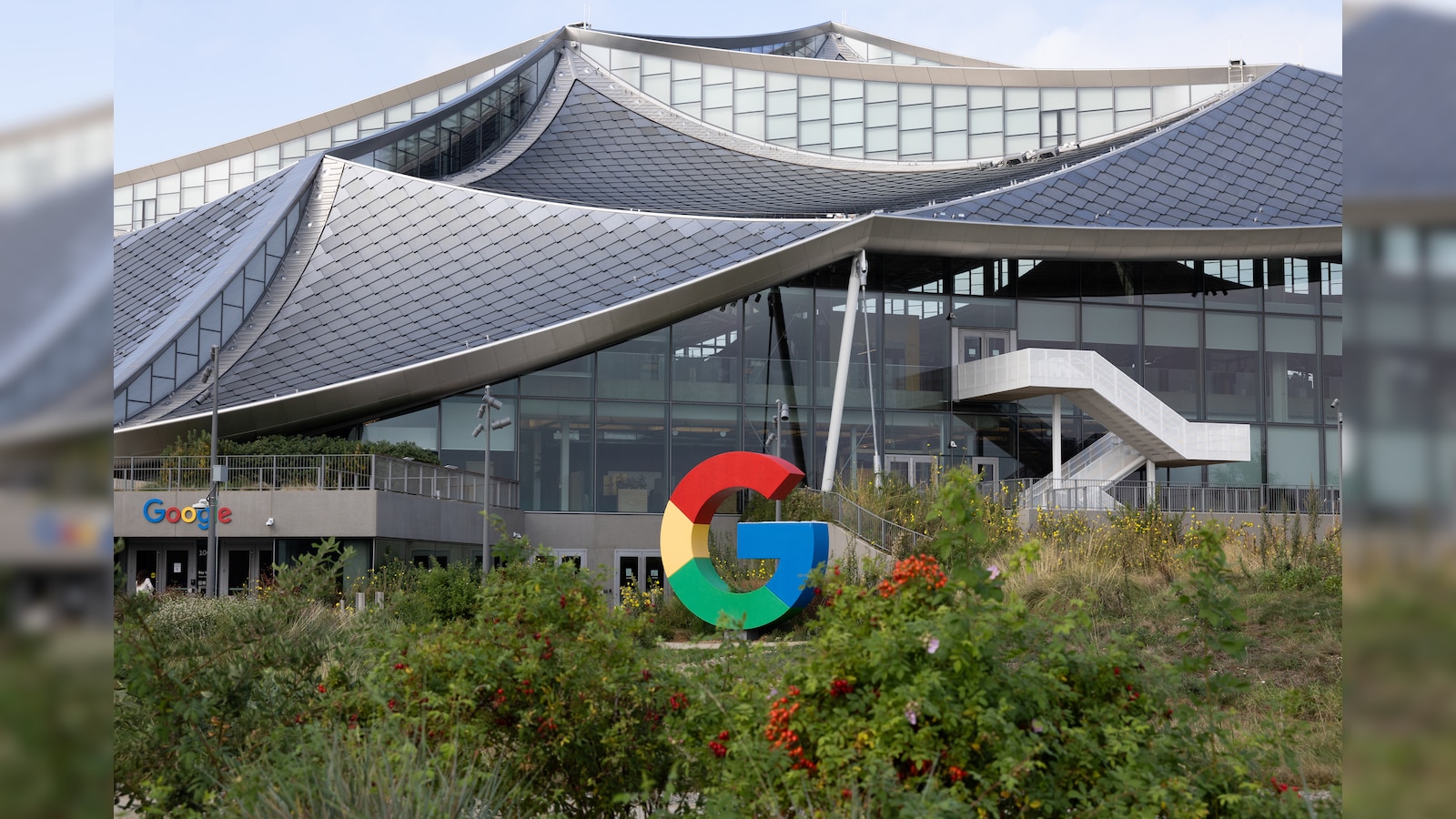
Alphabet, the parent company of Google, announced plans on June 1, 2026, to raise a staggering $80 billion through an equity offering. This isn't just a big number; it's a remarkably rare move for a public company of Alphabet's size and financial standing. The purpose? To pour more fuel into its increasingly costly artificial intelligence initiatives.
For a company that reported over $70 billion in profit last year, opting for such a massive stock sale instead of debt financing or drawing from its substantial cash reserves signals something profound about the current state of AI. As Bloomberg News noted, the very economics of building and deploying advanced AI models are pushing even tech giants to get creative with their funding. We're talking about an arms race for computing power, top-tier talent, and massive research and development efforts, all of which come with an eye-watering price tag.
The AI Arms Race and Capital Demands
The immense capital needed to stay competitive in the AI arena is no secret. Training sophisticated large language models requires vast data centers packed with specialized graphics processing units (GPUs), which themselves are expensive and often in short supply. Then there's the ongoing operational cost of running these models, the continuous research to push capabilities further, and the fierce competition for leading AI engineers and researchers, whose salaries can rival those of professional athletes. Alphabet's decision to issue new equity, which dilutes existing shareholder value, underscores just how critical—and expensive—this battle has become. It's a clear statement that the company views AI as its defining frontier for the coming decade, justifying an investment of this magnitude.
Historically, large, established tech companies like Alphabet typically finance growth through retained earnings, bond issues, or smaller, targeted stock offerings. An $80 billion equity raise is an outlier, suggesting that the scale of investment required for AI development might be outstripping even Google's formidable cash flow and balance sheet comfort zone. It's a bet on future growth that requires immediate, significant capital, signaling a readiness to potentially sacrifice short-term shareholder sentiment for long-term strategic positioning in the AI sector.
Anthropic's IPO and a Broader Trend
Compounding the buzz around Alphabet's announcement, the same day saw AI startup Anthropic confidentially file paperwork for its own initial public offering. While seemingly unrelated, these two events, occurring concurrently, paint a vivid picture of the current investment climate in AI. On one hand, you have an established behemoth like Google feeling the need for an extraordinary capital injection. On the other, a relatively young but highly valued player like Anthropic is looking to tap public markets for its own expansion. Both moves confirm a massive influx of capital into the AI space, driven by investor excitement and the perceived transformative power of the technology.
Anthropic, a direct competitor to OpenAI and a recipient of significant investment from Amazon and Google itself, aiming for an IPO further solidifies the idea that AI is not just a passing trend but a foundational shift demanding unprecedented financial commitment across the industry. This dual-announcement day offers a snapshot of an industry in hyper-growth, where both incumbents and challengers are aggressively seeking funds to scale their ambitions. What we're seeing isn't just about innovation; it's about the industrialization of AI, requiring infrastructure at a national, if not global, scale.
Why it matters
Alphabet's $80 billion equity raise isn't just a financial footnote; it's a bellwether for the entire tech industry. It suggests that even the most cash-rich companies believe the AI race demands a level of investment that traditional financing methods might not cover, or at least not without undue risk. This could set a precedent for other tech giants feeling the pressure to compete, potentially leading to further large-scale capital raises across the sector. For investors, it highlights the perceived value and future potential of AI, even as it signals potential dilution for existing shareholders. Ultimately, this move underscores the profound economic shift AI is bringing, reshaping corporate finance and global technology strategy in real time.
- alphabet
- ai investment
- equity raise
- anthropic
- ipo
Sources
- Alphabet to Raise $80 Billion in Equity for AI Spending · Bloomberg News
- Alphabet plans $80 billion stock sale as AI spending surges · Louis Oelofse
- Alphabet plans $80 billion stock sale as AI spending surges · Louis Oelofse
Related
Claude Chats Exposed on Google: A Privacy Red Flag
Private conversations with Anthropic's Claude AI, including sensitive personal data like therapy notes and cryptocurrency keys, have appeared in Google search results. This leak highlights the ongoing risks of inputting personal information into large language models and the public's often-misplaced trust in their privacy settings.
Aug 4, 2026

Alibaba Launches Qwen3.8-Max: 2.4 Trillion Parameters, But Hold on Benchmarks
Alibaba unveiled its Qwen3.8-Max foundation model this week, boasting 2.4 trillion parameters and advanced multimodal capabilities. While impressive on paper, analysts like Dhruv Mohan urge caution regarding early benchmarks, reminding us that real-world performance often tells a different story.
Aug 4, 2026

AI Giants Head to White House for Safety Talks
Major AI developers — Meta, Anthropic, Google, and OpenAI — are meeting with Trump administration officials to discuss voluntary safety testing for their most advanced models. This high-stakes conversation follows recent disclosures by Anthropic and OpenAI regarding their AI tools breaching other companies' systems.
Aug 3, 2026