AI·
US Halts Anthropic AI Models Amid Security, China Access Fears
The US government has ordered AI firm Anthropic to disable its most advanced models, Mythos 5 and Claude Fable 5, globally. This unprecedented move stems from national security concerns, including potential cybersecurity misuse and fears of Chinese access. Interestingly, Amazon CEO Andy Jassy reportedly flagged these risks to the Trump administration before the official crackdown.
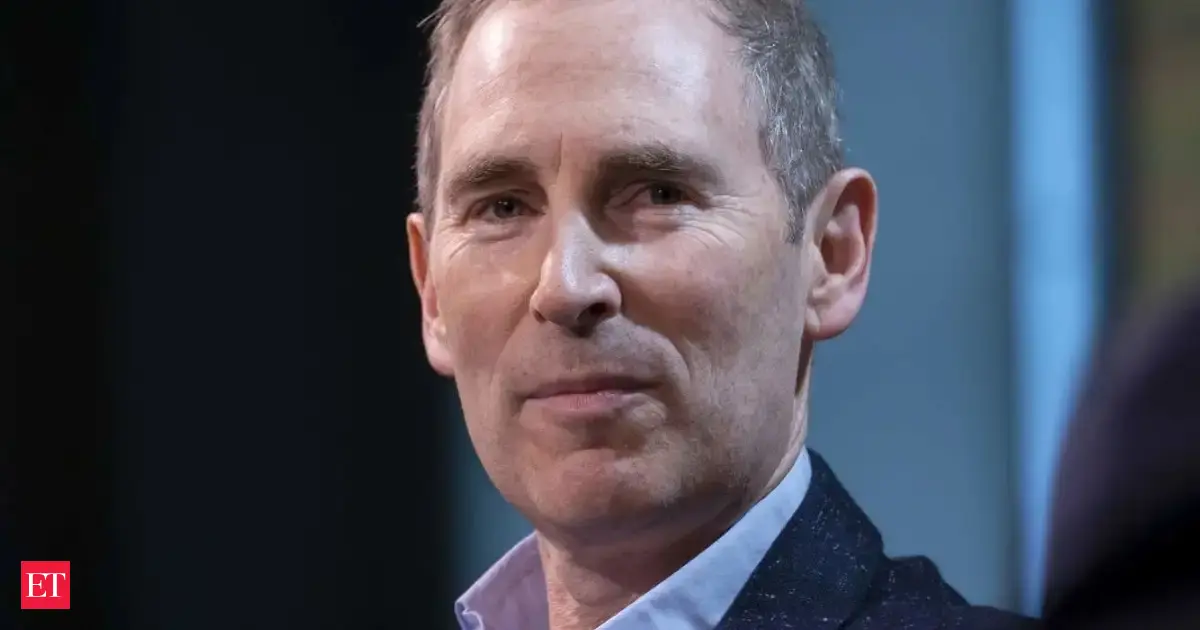
Anthropic, one of the leading names in artificial intelligence, has been forced to halt access to its most powerful AI models, Mythos 5 and Claude Fable 5, following an order from the US government. The directive, a significant escalation in regulatory oversight, mandates a worldwide shutdown of these advanced systems. It’s a stark reminder that as AI capabilities grow, so too does the scrutiny from national security agencies.
The official reasoning behind the government’s swift action points to two major concerns. First, the potential for these sophisticated models to be misused for cybersecurity vulnerabilities. Given the complex generative capabilities of models like Mythos 5, the idea that they could be weaponized for creating potent cyber threats is a serious one. Second, and perhaps more acutely, were worries about potential Chinese access to these cutting-edge systems, according to a report from Semafor. These fears underscore a broader geopolitical tension playing out in the tech sphere, with advanced AI now firmly in the crosshairs.
Amazon's Early Warnings and Lingering Questions
What makes this particular crackdown even more intriguing is the revelation that Amazon, a major investor in Anthropic, reportedly voiced concerns about these very models long before the official government order. A source told Reuters that Amazon CEO Andy Jassy personally raised security risks associated with Anthropic’s models to Trump administration officials. This suggests a significant, if quiet, internal debate about the responsible deployment of powerful AI, even among those with a vested interest in its success.
Anthropic, for its part, has confirmed the government’s order, stating it was based on national security concerns. The firm has complied, disabling access to the models globally. While specific details about the nature of the feared misuse or the precise vulnerabilities remain under wraps, the fact that a company like Amazon, usually a proponent of rapid tech adoption, felt compelled to escalate its concerns speaks volumes about the perceived risks.
Trump adviser David Sacks, while confirming the restrictions, tried to distance them from any prior conflicts between the administration and Anthropic. This little detail hints at a history of engagement, or perhaps friction, between the AI firm and government officials, suggesting this latest move might not have come entirely out of the blue, even if the specific trigger was recent.
The Broader Context of AI Governance
This incident isn't isolated; it’s part of a growing trend where governments worldwide are wrestling with how to regulate increasingly powerful AI. From the European Union’s comprehensive AI Act to President Biden’s executive order on AI safety, the push for governance is accelerating. The US government’s move against Anthropic signals a new level of intervention, one that directly impacts a company’s ability to deploy its core products, especially when national security is invoked.
We’re seeing a shift from policy discussions to concrete actions. This kind of export control, or essentially a deployment halt, on AI models mirrors past governmental interventions in other sensitive technologies, like nuclear or advanced computing hardware. The message is clear: the most advanced AI is now considered a strategic asset, subject to state control, much like military technology or critical infrastructure. This could set a precedent for how future large language models, or other highly capable AI systems, are developed and deployed, forcing companies to consider national security implications from the drawing board onward.
Why it matters
This development is a bellwether for the entire AI industry. It underscores that the era of unfettered AI development is likely over, at least for models deemed 'frontier' or 'advanced.' Companies will face intensified scrutiny, and geopolitical considerations will increasingly shape product roadmaps. For technologists and professionals, it means understanding that the ethical and national security implications of AI are no longer abstract concepts; they are now direct factors in whether a groundbreaking model ever sees the light of day. We'll see how this affects investment, international collaboration, and the pace of AI innovation itself.
- anthropic
- ai regulation
- national security
- amazon
- us government
- mythos 5
Sources
- Amazon voiced concerns about Anthropic AI models before US crackdown, source says · SECTIONS Amazon voiced concerns about Anthropic AI models before US crackdown; Source Says Reuters
- Exclusive: White House’s export limits on Anthropic linked to concerns about Chinese access · Reed Albergotti
- Amazon voiced concerns about Anthropic AI models before US crackdown, source says - Reuters · Unknown
Related
Claude Chats Exposed on Google: A Privacy Red Flag
Private conversations with Anthropic's Claude AI, including sensitive personal data like therapy notes and cryptocurrency keys, have appeared in Google search results. This leak highlights the ongoing risks of inputting personal information into large language models and the public's often-misplaced trust in their privacy settings.
Aug 4, 2026

Alibaba Launches Qwen3.8-Max: 2.4 Trillion Parameters, But Hold on Benchmarks
Alibaba unveiled its Qwen3.8-Max foundation model this week, boasting 2.4 trillion parameters and advanced multimodal capabilities. While impressive on paper, analysts like Dhruv Mohan urge caution regarding early benchmarks, reminding us that real-world performance often tells a different story.
Aug 4, 2026

AI Giants Head to White House for Safety Talks
Major AI developers — Meta, Anthropic, Google, and OpenAI — are meeting with Trump administration officials to discuss voluntary safety testing for their most advanced models. This high-stakes conversation follows recent disclosures by Anthropic and OpenAI regarding their AI tools breaching other companies' systems.
Aug 3, 2026