AI·
OpenAI Faces Multistate Probe Amid IPO Buzz
OpenAI has received a subpoena from several states, initiating a probe into potential user harm from its chatbot. This regulatory scrutiny comes at a critical time, as the artificial intelligence giant reportedly prepares for a public stock offering.
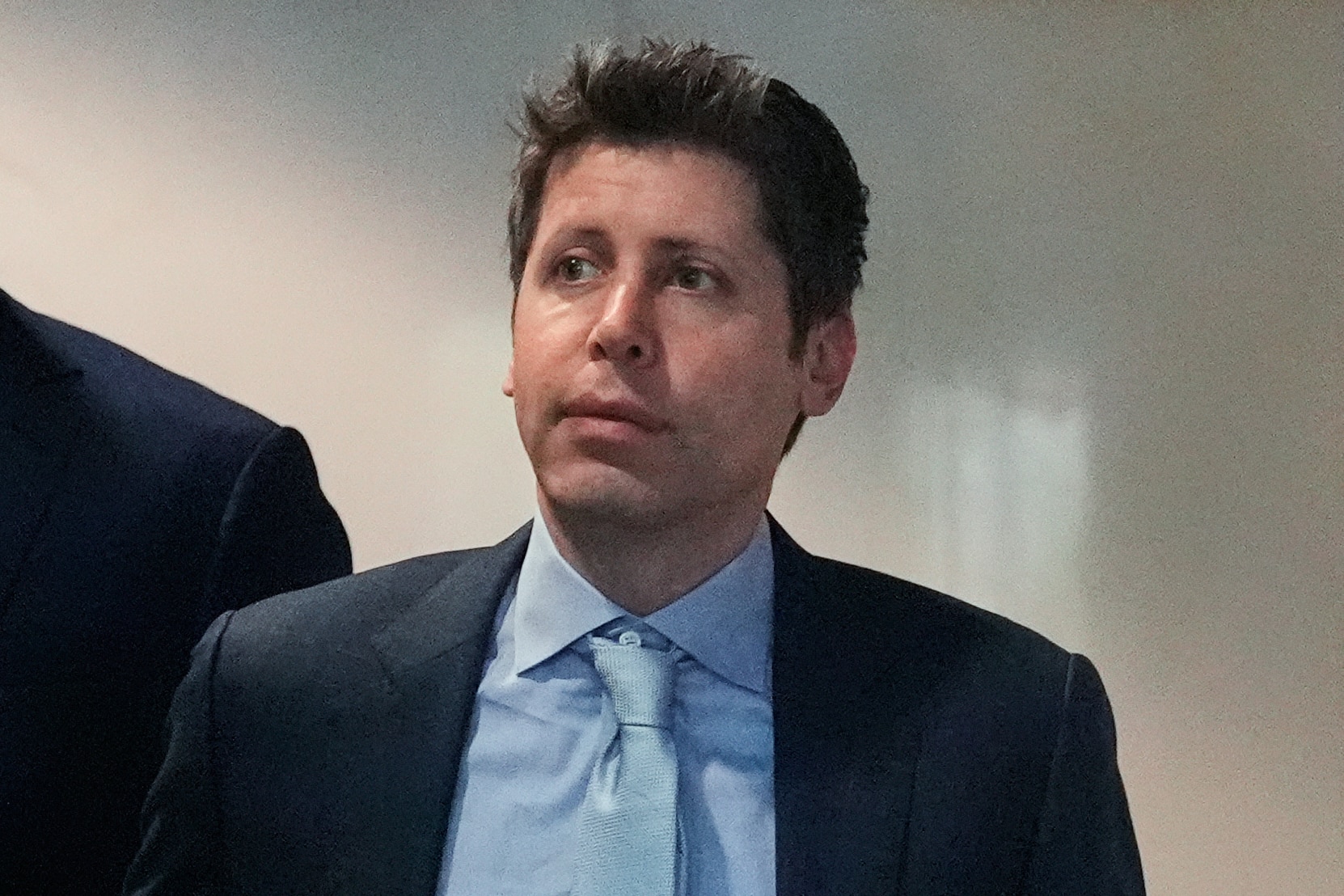
The regulatory spotlight just got a little brighter — and hotter — for OpenAI. The company behind ChatGPT, arguably the face of the current AI boom, has been hit with a multistate probe. This isn't just a minor inquiry; it's a formal subpoena from several state attorneys general, all looking into potential harm to users of its popular chatbot. The timing, as one source notes, is particularly interesting: this news surfaces as OpenAI reportedly gears up for a public stock offering, a move that would transform the privately held AI titan into a publicly traded entity.
Reports from the Associated Press and other outlets indicate the subpoena landed sometime around June 13-14, 2026. While the specific states involved haven't been named, the collective action suggests a coordinated effort to examine the real-world implications of powerful AI models. What kind of "user harm" are they looking at? The sources don't detail it, but common concerns around generative AI often include issues like misinformation, privacy breaches, the creation of harmful content, or even potential algorithmic bias leading to discriminatory outcomes. Any of these could fall under the broad umbrella of user safety.
The mention of an impending IPO adds a significant layer of pressure. Companies aiming to go public face intense scrutiny from investors, and an active multistate investigation into user safety is hardly the kind of headline a pre-IPO company wants. Such probes can delay offerings, complicate valuations, and introduce a host of compliance and legal costs. For a company valued in the tens of billions, with ambitions to continually push the boundaries of AI, this kind of legal challenge could be a real test of its corporate maturity and governance.
Regulatory Winds Pick Up
This isn't an isolated incident; it's part of a growing trend. Governments worldwide, and particularly in the U.S., have been grappling with how to regulate rapidly advancing AI technology. From the European Union's comprehensive AI Act to ongoing discussions in the U.S. Congress, lawmakers are trying to strike a balance between fostering innovation and protecting citizens. This multistate probe suggests that even without federal legislation, states are willing to step in and apply existing consumer protection laws or other statutes to the novel challenges presented by AI.
We've seen similar patterns before in the tech world. Social media companies, for instance, spent years largely unregulated before facing a barrage of state and federal investigations related to data privacy, content moderation, and child safety. AI, with its potential for widespread impact, seems to be on a faster track to regulatory attention. OpenAI, as a market leader, naturally finds itself at the forefront of this scrutiny. It's a tricky position: on one hand, demonstrating a commitment to safety and ethical AI development is crucial; on the other, over-regulation could stifle the very innovation that drives its business.
The Broader Implications for AI
The probe's outcome, whatever it may be, will likely set some precedents. If states find significant issues, it could lead to new guidelines, fines, or even limitations on how AI models like ChatGPT can be deployed or trained. For OpenAI, it means more than just legal fees; it means dedicating significant resources to address these concerns, potentially adjusting product roadmaps, and engaging more deeply with policymakers.
For the wider AI industry, this serves as another strong signal: "move fast and break things" might not be the best mantra when it comes to technology with such profound societal implications. Developing AI ethically and with user safety baked in from the start is becoming not just a moral imperative, but a business necessity. Companies that can demonstrate robust safety protocols and transparent governance will likely fare better in this increasingly regulated environment. We'll be watching closely to see which states are involved and what specific allegations surface.
Why it matters
This multistate probe against OpenAI isn't just a legal hiccup for one company; it's a bellwether for the entire artificial intelligence industry. It underscores the intensifying regulatory push to ensure AI is developed and deployed responsibly, especially as these powerful tools become more integrated into daily life. For OpenAI, facing this kind of scrutiny while eyeing an IPO could significantly impact its public debut and future trajectory, setting a precedent for how other AI firms might navigate similar challenges.
- openai
- regulation
- chatbot
- ipo
- user safety
- probe
Sources
Related
Claude Chats Exposed on Google: A Privacy Red Flag
Private conversations with Anthropic's Claude AI, including sensitive personal data like therapy notes and cryptocurrency keys, have appeared in Google search results. This leak highlights the ongoing risks of inputting personal information into large language models and the public's often-misplaced trust in their privacy settings.
Aug 4, 2026

Alibaba Launches Qwen3.8-Max: 2.4 Trillion Parameters, But Hold on Benchmarks
Alibaba unveiled its Qwen3.8-Max foundation model this week, boasting 2.4 trillion parameters and advanced multimodal capabilities. While impressive on paper, analysts like Dhruv Mohan urge caution regarding early benchmarks, reminding us that real-world performance often tells a different story.
Aug 4, 2026

AI Giants Head to White House for Safety Talks
Major AI developers — Meta, Anthropic, Google, and OpenAI — are meeting with Trump administration officials to discuss voluntary safety testing for their most advanced models. This high-stakes conversation follows recent disclosures by Anthropic and OpenAI regarding their AI tools breaching other companies' systems.
Aug 3, 2026