AI·
Altman Eases Off AI 'Jobs Apocalypse' Warnings
OpenAI CEO Sam Altman has walked back his earlier, more dire predictions about AI's impact on employment, now stating a "jobs apocalypse" is unlikely. He specifically notes less concern for white-collar jobs than previously feared. Altman attributes his initial alarm to the rapid pace of AI development, rather than a sustained view of its job-destroying potential.
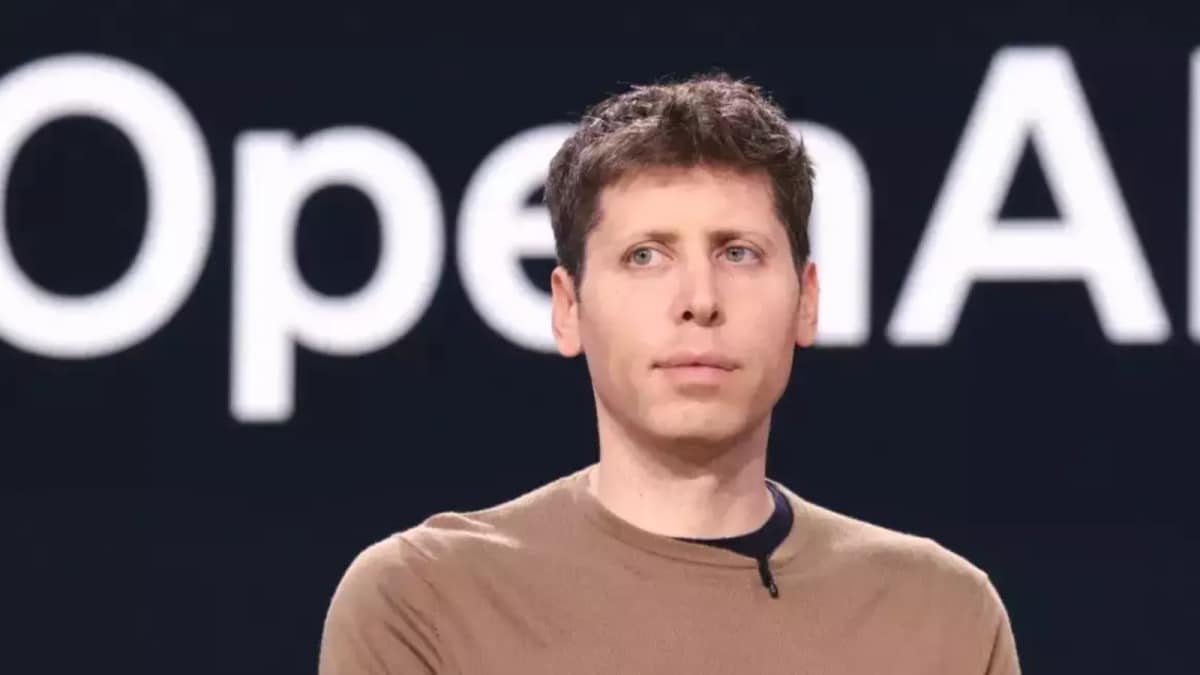
Sam Altman, the often-quoted figurehead of OpenAI, has revised his stance on one of artificial intelligence's most persistent anxieties: the widespread loss of jobs. On Tuesday, May 26, 2026, Altman stated that he no longer believes AI will trigger a global "jobs apocalypse," effectively playing down fears he himself once amplified.
This isn't a minor tweak; it's a significant shift from the stark warnings Altman issued just a couple of years ago, where he suggested AI could eliminate many entry-level white-collar positions. Now, he's telling reporters, including Scott Murdoch of Reuters, that AI hasn't claimed as many of those jobs as he'd anticipated. His early concerns, as reported by Mohammad Haris for News18, were primarily based on the speed at which AI systems were improving, not necessarily an immutable prediction of total economic collapse. It seems the initial shock of rapid advancement has given way to a more measured perspective on its actual, day-to-day integration into the workforce.
The Shifting Narrative of AI and Work
Altman's updated outlook suggests a growing confidence that the economy can adapt, or perhaps that the technology itself isn't as broadly destructive to existing job categories as initially feared. This change of heart from such an influential voice in the AI space is notable. For years, the conversation around AI and employment has often been framed by two extremes: utopian visions of leisure and dystopian fears of mass unemployment. Altman, in his previous remarks, leaned toward the latter, fueling headlines about the imminent demise of certain professional roles.
What might account for this shift? One possibility is a clearer view of AI's practical application in the workplace. While AI excels at automating repetitive, data-intensive tasks, it often requires human oversight, refinement, and strategic direction. Many companies are finding that AI serves more as a co-pilot or an assistant, augmenting human capabilities rather than fully replacing them. We're seeing this play out in areas like content generation, coding assistance, and data analysis, where AI tools boost productivity but still rely on human creativity and critical thinking. The nuance here is crucial: augmentation is not the same as annihilation.
A Historical Echo and What's Next
Historically, technological revolutions have always sparked fears of job displacement. The Luddites famously smashed textile machinery in 19th-century England, believing it would eliminate their livelihoods. While some jobs did disappear, new ones emerged, often in greater numbers and with higher skill requirements. The agricultural revolution, the industrial revolution, and the advent of personal computers all followed similar patterns. Each time, society adapted, creating new industries and roles that were unimaginable before the technological shift. Altman's current perspective aligns more closely with this historical precedent, suggesting that AI might be another chapter in this ongoing story of evolution, not extinction.
However, this doesn't mean the transition will be painless. There will inevitably be disruptions, and some workers will need to re-skill. The key will be how quickly education systems, governments, and businesses can respond to these changes. Investment in training programs, a focus on uniquely human skills like complex problem-solving, empathy, and creativity, and adaptable social safety nets could all play a role in smoothing the path. Altman's revised view, while more optimistic, doesn't negate the need for proactive planning.
Why it matters
Altman's more tempered predictions are more than just a CEO's musings; they influence public perception, investor confidence, and potentially even regulatory approaches. If a key figure like Altman is less concerned about an immediate "jobs apocalypse," it could temper some of the more alarmist narratives, allowing for a more balanced discussion about AI's societal integration. For technologists and curious professionals, this shift suggests that focusing on how AI can enhance human work, rather than just replace it, is the more pragmatic and perhaps more accurate path forward. It means the future of work isn't just about survival, but about strategic adaptation and collaboration with intelligent machines.
- sam altman
- openai
- ai jobs
- future of work
- technology impact
Sources
- OpenAI CEO Sam Altman Says AI Won't Trigger 'Jobs Apocalypse' · Mohammad Haris; Business Desk
- OpenAI's Altman says AI unlikely to lead to 'jobs apocalypse' · Scott Murdoch
- Sam Altman plays down AI 'jobs apocalypse' fears · Agency Staff
Related
Claude Chats Exposed on Google: A Privacy Red Flag
Private conversations with Anthropic's Claude AI, including sensitive personal data like therapy notes and cryptocurrency keys, have appeared in Google search results. This leak highlights the ongoing risks of inputting personal information into large language models and the public's often-misplaced trust in their privacy settings.
Aug 4, 2026

Alibaba Launches Qwen3.8-Max: 2.4 Trillion Parameters, But Hold on Benchmarks
Alibaba unveiled its Qwen3.8-Max foundation model this week, boasting 2.4 trillion parameters and advanced multimodal capabilities. While impressive on paper, analysts like Dhruv Mohan urge caution regarding early benchmarks, reminding us that real-world performance often tells a different story.
Aug 4, 2026

AI Giants Head to White House for Safety Talks
Major AI developers — Meta, Anthropic, Google, and OpenAI — are meeting with Trump administration officials to discuss voluntary safety testing for their most advanced models. This high-stakes conversation follows recent disclosures by Anthropic and OpenAI regarding their AI tools breaching other companies' systems.
Aug 3, 2026