AI·
Altman: Musk Demanded OpenAI Control, Eyed Kids as Heirs
OpenAI CEO Sam Altman testified this week about Elon Musk's "hair-raising" demands for control over the AI startup, including a subsidiary. Altman recounted Musk's contemplation of handing the company over to his children, making him feel "extremely uncomfortable" during a pivotal period for the firm.
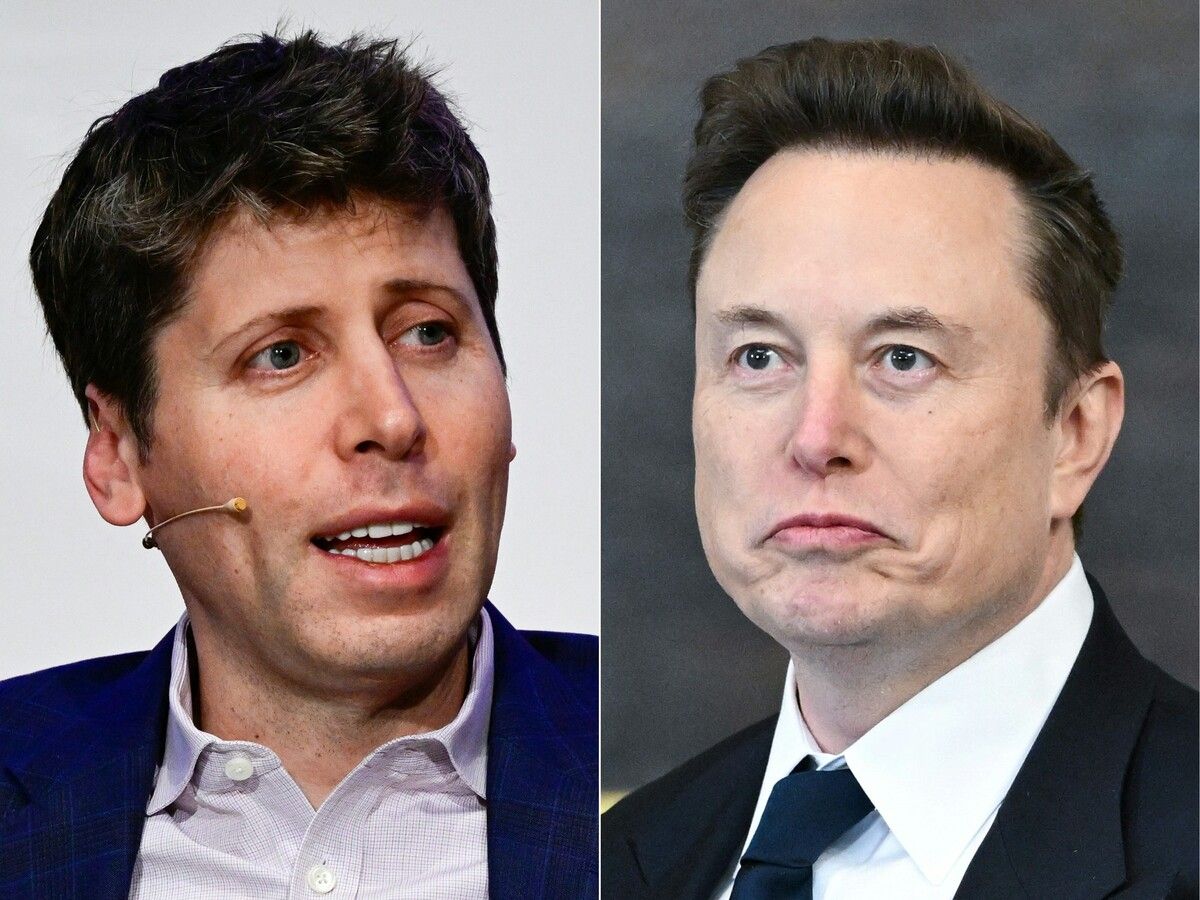
OpenAI's top boss, Sam Altman, pulled back the curtain on a particularly tense period in the company's early days this week, describing a "hair-raising" conversation with co-founder Elon Musk. Altman, testifying on May 12, 2026, revealed that Musk had made demands for significant control over the then-nascent artificial intelligence research firm, even musing about handing it over to his own children. The revelations came during a legal battle between Musk and OpenAI, shedding new light on the dramatic split between the billionaire and the company he helped create.
Altman told the court he was "extremely uncomfortable" with Musk's insistence that he gain control over an OpenAI subsidiary, according to reports from Bloomberg News and the Financial Times. The CEO's testimony painted a vivid picture of the internal struggles that defined OpenAI's formative years, particularly its pivot from a non-profit structure to a more commercially oriented entity. Musk, who co-founded OpenAI in 2015 with a vision of open-source AI benefiting humanity, departed the organization in 2018, citing a potential conflict of interest with his work at Tesla.
Control and Conflict in Early OpenAI
The testimony specifically highlighted an incident where Musk reportedly considered transferring ownership of OpenAI to his children. This detail, reported by TechCrunch's Tim Fernholz, underscores the depth of Musk's desire for personal oversight, a level of control Altman evidently found unacceptable for a venture intended to serve a broader public good. We've seen this kind of power struggle play out before in Silicon Valley, where founders' initial visions often clash with the realities of scaling a complex organization, especially one dealing with something as potentially transformative as artificial intelligence.
The tension wasn't just about ownership; it seems to have centered on the fundamental direction and governance of OpenAI. Musk's departure in 2018 marked a significant turning point, and these recent court proceedings offer a rare glimpse into the specific disagreements that led to it. While Musk has since been an outspoken critic of OpenAI, particularly its move towards a capped-profit model and partnership with Microsoft, Altman's testimony suggests his concerns about control predated these strategic shifts. It appears the seeds of their current legal dispute were sown years ago, in these very private, high-stakes conversations.
The Broader AI Governance Debate
These revelations aren't just about corporate drama; they touch on the broader, urgent conversation around AI governance. Who should control powerful AI systems? Should they be in the hands of a single individual, even one with a track record of innovation like Elon Musk, or should their development be guided by a more distributed, less centralized authority? Altman's discomfort with Musk's demands speaks to the inherent challenges of balancing rapid technological advancement with responsible oversight. As AI models grow more capable, the question of who holds the reins becomes increasingly critical.
The legal battle itself, while its specifics remain somewhat veiled in the reporting, will undoubtedly shape perceptions of both OpenAI and Musk. For OpenAI, this testimony reinforces its narrative as an organization striving for broad access and safety, distinct from individual control. For Musk, it adds another layer to his complex public persona, highlighting his intense drive for influence in critical technological domains. We'll be watching to see how these ongoing legal proceedings further illuminate the early days of one of the world's most important AI companies.
Why it matters
This testimony offers a rare, detailed look into the foundational conflicts that shaped OpenAI and its relationship with a key co-founder. It highlights the profound challenges of governing powerful AI technologies, reminding us that even benevolent intentions can clash when it comes to control. The future of AI development hinges not just on technical breakthroughs, but on the thorny questions of who gets to decide its direction, and what safeguards are in place when personal ambition meets global impact.
- openai
- elon musk
- sam altman
- ai safety
- litigation
- governance
Sources
Related

Replit, Visa Empower AI Agents with Digital Identity and Payments
Replit and Visa are partnering to embed payment capabilities directly into AI agent workflows, allowing autonomous agents to pay for services. This collaboration includes a strategic investment from Visa and a new identity layer for agents, potentially reshaping how AI software operates and transacts online.
May 30, 2026
Nvidia Deepens Korea Ties with AI Hub Plan, Huang Visit
Nvidia is strengthening its footprint in South Korea. CEO Jensen Huang is expected to visit, coinciding with plans by Nvidia-backed Reflection AI to build a multi-billion dollar data center there. This move signals a strategic push for open AI infrastructure amid rising global competition.
May 30, 2026

OpenAI Taps Citi, JPMorgan for IPO Preparations
OpenAI is reportedly in talks with financial giants Citigroup and JPMorgan Chase to join its initial public offering banking lineup. This move, reported late last week, signals serious progress toward a highly anticipated public debut for the influential AI developer.
May 29, 2026