AI·
OpenAI Taps Citi, JPMorgan for IPO Preparations
OpenAI is reportedly in talks with financial giants Citigroup and JPMorgan Chase to join its initial public offering banking lineup. This move, reported late last week, signals serious progress toward a highly anticipated public debut for the influential AI developer.
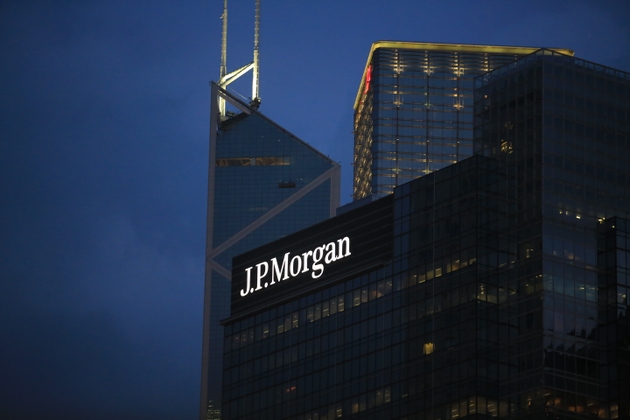
The whispers around OpenAI's eventual public offering just got a lot louder. Sources familiar with the matter confirmed late last week that the AI powerhouse has engaged in discussions with financial heavyweights Citigroup and JPMorgan Chase. The talks center on adding these banks to the lineup of institutions that would manage OpenAI's initial public offering.
This development, first reported by Bloomberg News on May 29, 2026, and corroborated by Seeking Alpha, suggests OpenAI is moving beyond mere speculation and into concrete steps for a public market debut. Bringing in firms like Citigroup and JPMorgan isn't a casual move; it points to an IPO of significant scale, one that would require the kind of global reach and institutional investor connections these bulge-bracket banks possess. For any company, engaging with banks this early in the process marks a serious inflection point, signaling an intent to go public in the foreseeable future.
The AI Market and OpenAI's Unique Position
The timing for an OpenAI IPO is interesting, to say the least. The broader tech IPO market has seen its share of ups and downs in recent years. While some high-profile tech debuts like Arm Holdings in late 2023 performed well, others have struggled to maintain their initial valuations. Yet, the AI sector itself remains a hotbed of investor interest. Companies building foundational models and services, like OpenAI, continue to attract massive private capital, even if the path to profitability for some remains a work in progress.
OpenAI, of course, isn't just any tech company. Its structure is famously complex, operating as a capped-profit subsidiary under a non-profit parent organization. This unusual setup was designed, in part, to balance profit generation with its mission of developing beneficial artificial general intelligence. How this structure will be presented to public investors, and how it might impact valuation and corporate governance, will undoubtedly be a key focus for potential shareholders and the SEC alike. It's a fresh challenge for investment bankers, who typically deal with more conventional corporate structures.
What Comes Next for OpenAI's Public Ambitions?
While the sources didn't offer a timeline for the IPO, or specify the roles Citigroup and JPMorgan might play, these discussions are a clear signal. Typically, a company will engage a consortium of banks, with lead managers taking on the bulk of the work and risk, while others serve as bookrunners or co-managers. We don't know yet if other banks are already in the mix or if these talks represent the first serious outreach.
What we do know is that a public offering from OpenAI would be one of the most anticipated tech events in years, potentially rivaling the excitement around companies like Meta (then Facebook) or Google in their early days. It would offer a rare pure-play investment into a company at the very forefront of AI innovation, giving retail and institutional investors a direct stake in a field that's reshaping industries globally. The next steps will likely involve more detailed negotiations, potentially a formal mandate for the banks, and eventually, the filing of an S-1 registration statement with U.S. regulators.
Why it matters
An OpenAI IPO isn't just another tech listing; it's a barometer for the entire AI industry and a test of public market appetite for companies with both immense promise and unique governance. Success would inject significant capital into OpenAI, fueling further research and development, while its performance would offer insights into how investors truly value the future of artificial intelligence. It sets the stage for a critical new chapter for one of the most important companies in tech right now.
- openai
- ipo
- citigroup
- jpmorgan
- ai investment
- tech finance
Sources
- OpenAI said to have held talks with Citigroup, JPMorgan for IPO preparations (OPENAI:Private) · Mary Christine Joy; SA News Editor
- OpenAI Has Discussed Adding Citigroup, JPMorgan to Bank Lineup for IPO · Unknown
Related
Claude Chats Exposed on Google: A Privacy Red Flag
Private conversations with Anthropic's Claude AI, including sensitive personal data like therapy notes and cryptocurrency keys, have appeared in Google search results. This leak highlights the ongoing risks of inputting personal information into large language models and the public's often-misplaced trust in their privacy settings.
Aug 4, 2026

Alibaba Launches Qwen3.8-Max: 2.4 Trillion Parameters, But Hold on Benchmarks
Alibaba unveiled its Qwen3.8-Max foundation model this week, boasting 2.4 trillion parameters and advanced multimodal capabilities. While impressive on paper, analysts like Dhruv Mohan urge caution regarding early benchmarks, reminding us that real-world performance often tells a different story.
Aug 4, 2026

AI Giants Head to White House for Safety Talks
Major AI developers — Meta, Anthropic, Google, and OpenAI — are meeting with Trump administration officials to discuss voluntary safety testing for their most advanced models. This high-stakes conversation follows recent disclosures by Anthropic and OpenAI regarding their AI tools breaching other companies' systems.
Aug 3, 2026