AI·
Court Filings Detail Altman's $2B Stakes in OpenAI Partners
OpenAI CEO Sam Altman holds over $2 billion in stakes in companies that work with OpenAI, court documents reveal. This disclosure comes as regulators, state attorneys general, and Elon Musk intensify scrutiny over potential conflicts of interest within the influential AI firm. The revelations raise questions about transparency and governance in the rapidly expanding AI sector.
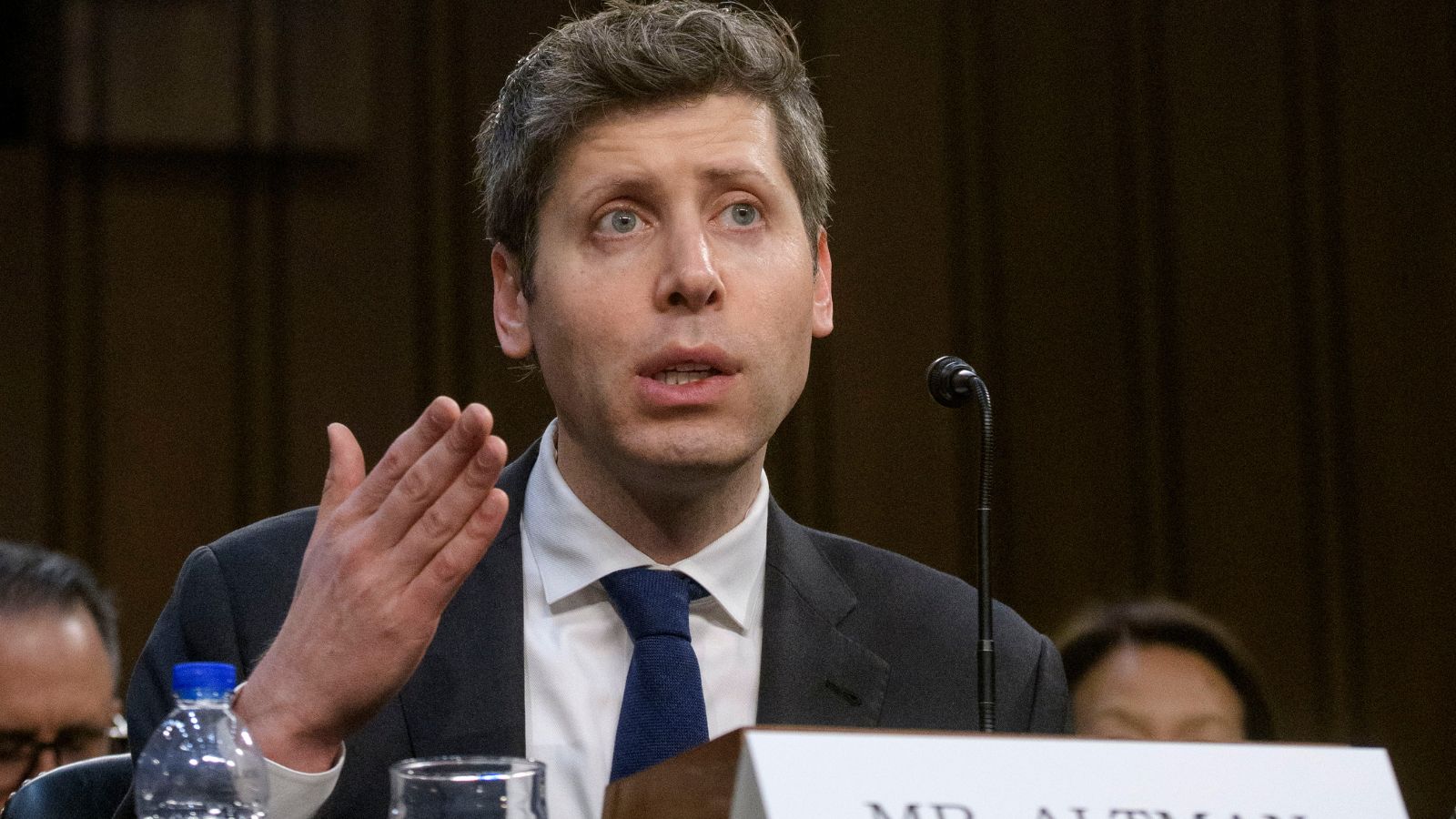
Court filings have pulled back the curtain on Sam Altman's financial entanglements, revealing the OpenAI chief executive holds more than $2 billion in stakes across firms that partner with his AI powerhouse. This significant disclosure, brought to light by Reuters on May 14, 2026, adds a new dimension to the already intense scrutiny facing OpenAI and its most visible leader.
The revelation comes at a particularly fraught time for OpenAI. The company is already under the microscope from various angles: state attorneys general are probing its business practices, U.S. lawmakers are increasingly vocal about AI regulation, and a high-profile lawsuit from co-founder Elon Musk alleges the company has strayed from its original non-profit mission. Now, the sheer scale of Altman's personal investments in companies doing business with OpenAI creates a fresh wave of questions about potential conflicts of interest, corporate governance, and the ethical guardrails, or lack thereof, in the burgeoning artificial intelligence industry.
The Web of Influence and Investment
Altman isn't just the public face of OpenAI; he's a prolific investor with a vast portfolio spanning numerous tech ventures. His personal investment in Helion, a nuclear fusion startup promising abundant clean energy, is perhaps the most well-known connection, especially given OpenAI's insatiable demand for computational power. The idea that nuclear fusion could one day provide the energy needed to run future AI models creates a symbiotic, if distant, relationship. But the court documents suggest this isn't an isolated instance; it's a pattern of investment in firms that actively “do business with OpenAI.”
This isn't necessarily illegal, but it certainly complicates the picture of an organization that, despite its massive commercial success, originated with a stated mission to ensure AI benefits all of humanity. OpenAI’s unique hybrid structure—a non-profit parent overseeing a for-profit subsidiary—has always been a source of both innovation and confusion. Critics argue that this structure, combined with significant personal financial interests, can create incentives that might not always align with the public good or even the company’s own stated altruistic goals. When the person making strategic decisions for a company also stands to gain significantly from its choices of partners and vendors, it naturally invites skepticism.
Scrutiny Intensifies
For regulators, this kind of financial intermingling is red meat. Both state attorneys general and federal lawmakers are keenly interested in antitrust issues, transparency, and consumer protection in the AI space. The optics of a CEO holding billions in related company stakes, especially as his primary company rapidly approaches a trillion-dollar valuation, makes it harder to argue for a purely benevolent or unconflicted approach to AI development. It shifts the narrative from innovation to potential self-dealing, a familiar story in the history of capitalism, but one with potentially profound implications when applied to technology as transformative as AI.
Elon Musk's lawsuit, which accuses Altman and OpenAI of abandoning their founding principles, gains additional context from these disclosures. While Musk's motivations are complex, the existence of such extensive financial ties could lend weight to arguments about the for-profit motivations now driving OpenAI. This isn't just about who gets rich; it's about the direction and control of powerful AI—technology that could reshape economies, societies, and even human cognition. Who benefits, and whose interests are being served when those decisions are made, becomes a crucial question.
Why it matters
The revelation of Sam Altman's multi-billion dollar stakes in OpenAI partner firms isn't just a footnote; it's a significant marker in the ongoing debate about the ethics, governance, and ultimate purpose of artificial intelligence. For a technology with such immense power and societal impact, transparency and trust are paramount. When the financial incentives of its most prominent leaders become so deeply intertwined with the operational choices of the organization, it inevitably erodes public confidence. This episode will undoubtedly fuel calls for tighter regulation and greater disclosure in the AI industry, forcing a reckoning with how we ensure that the future of AI is built not just on groundbreaking technology, but on a foundation of unimpeachable integrity and accountability.
- sam altman
- openai
- conflict of interest
- regulation
- investment
- ai ethics
Sources
Related
Claude Chats Exposed on Google: A Privacy Red Flag
Private conversations with Anthropic's Claude AI, including sensitive personal data like therapy notes and cryptocurrency keys, have appeared in Google search results. This leak highlights the ongoing risks of inputting personal information into large language models and the public's often-misplaced trust in their privacy settings.
Aug 4, 2026

Alibaba Launches Qwen3.8-Max: 2.4 Trillion Parameters, But Hold on Benchmarks
Alibaba unveiled its Qwen3.8-Max foundation model this week, boasting 2.4 trillion parameters and advanced multimodal capabilities. While impressive on paper, analysts like Dhruv Mohan urge caution regarding early benchmarks, reminding us that real-world performance often tells a different story.
Aug 4, 2026

AI Giants Head to White House for Safety Talks
Major AI developers — Meta, Anthropic, Google, and OpenAI — are meeting with Trump administration officials to discuss voluntary safety testing for their most advanced models. This high-stakes conversation follows recent disclosures by Anthropic and OpenAI regarding their AI tools breaching other companies' systems.
Aug 3, 2026