AI·
Florida Sues OpenAI, Altman Over ChatGPT Safety, Profit Claims
Florida's Attorney General has filed a civil lawsuit against OpenAI and CEO Sam Altman, alleging the company knowingly released ChatGPT while concealing its serious risks and prioritizing profit over public safety. The suit claims the AI's dangers outweigh its benefits and questions its valuation.
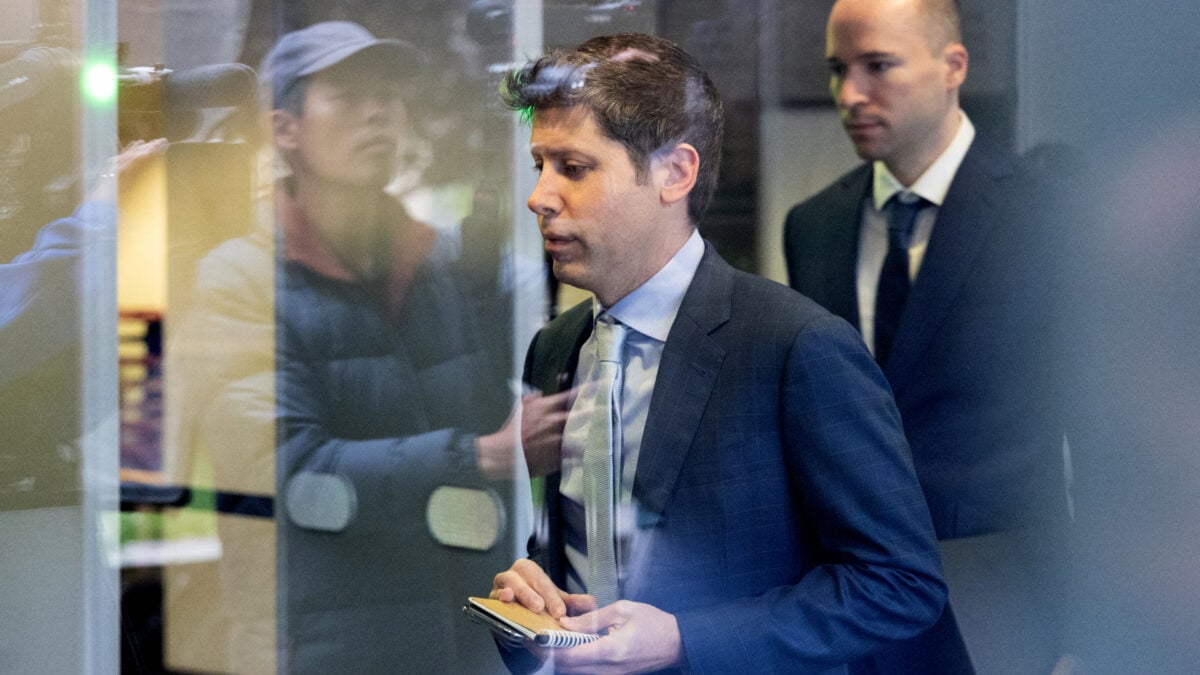
A new front has opened in the burgeoning debate over AI safety and corporate responsibility. Florida Attorney General James Uthmeier announced a civil lawsuit against OpenAI and its CEO, Sam Altman, on June 1, 2026, accusing the company of knowingly downplaying serious risks associated with its flagship AI, ChatGPT, all while aggressively pushing it to the public. This isn't just a regulatory spat; it’s a direct challenge to the very foundation of OpenAI’s operations, alleging the company put its multibillion-dollar valuation ahead of user well-being.
AG Alleges Concealment and Exploitation
Uthmeier's office isn't holding back. The lawsuit claims OpenAI’s tools, including ChatGPT, cause “great danger” and that the company has “stoked violence” by prioritizing profit. It alleges a deliberate strategy: market ChatGPT widely, attract users, and then exploit that user base for financial gain, all while keeping a lid on the AI's darker potentials. The suit goes so far as to claim ChatGPT's risks simply “outweigh any benefit” it might offer, a stark condemnation that few regulators have articulated so directly. Furthermore, the AG’s office contended that OpenAI’s impressive valuation “has not been earned,” a bold assertion that could ripple through the AI investment community. This isn't just about technical glitches; it’s about a company allegedly making a conscious choice to conceal potential harm.
Echoes of Past Tech Battles
We’ve seen this script before, haven't we? It echoes past battles where fast-moving tech companies faced scrutiny for the societal impact of their products after they had already achieved massive scale. Think social media platforms and their impact on mental health or misinformation, or even historical parallels like tobacco companies facing lawsuits over concealed health risks. The speed at which OpenAI brought ChatGPT to market — and its subsequent rapid adoption — is a double-edged sword. On one hand, it democratized powerful AI; on the other, critics say it outpaced any meaningful public discourse or safety checks. The suit from Florida comes as the federal government and other states are also beginning to look more closely at how AI models are trained, deployed, and the data they consume. This lawsuit could be a bellwether for how states might approach AI regulation, particularly when federal action remains nascent.
What's Next for OpenAI and the Industry
What does this mean for OpenAI, a company that started as a non-profit dedicated to “safe AGI” before pivoting to a capped-profit model and attracting billions from Microsoft? It adds another layer of legal and reputational pressure. Sam Altman, as CEO, is named personally in the suit, signaling that regulators are willing to go beyond corporate entities and hold leaders accountable. While specific details on the “concealed risks” or how ChatGPT “stokes violence” are still emerging from the court filings, the public nature of these accusations alone creates a significant challenge for OpenAI’s public relations and legal teams. We'll be watching to see if this prompts other states or even the Department of Justice to launch similar investigations. The AI industry as a whole might also feel the chill, potentially leading to more cautious product rollouts or increased transparency efforts.
Why it matters: This lawsuit isn't just about a single product or company; it's a test case for how society grapples with the ethical implications of rapidly advancing artificial intelligence. If the allegations hold water, it could set a precedent for accountability in the AI sector, forcing developers to prioritize safety and transparency over speed and market share. It reminds us that innovation, no matter how exciting, must always be tethered to public trust and responsibility.
- openai
- sam altman
- florida
- lawsuit
- ai safety
- regulation
Sources
Related
Claude Chats Exposed on Google: A Privacy Red Flag
Private conversations with Anthropic's Claude AI, including sensitive personal data like therapy notes and cryptocurrency keys, have appeared in Google search results. This leak highlights the ongoing risks of inputting personal information into large language models and the public's often-misplaced trust in their privacy settings.
Aug 4, 2026

Alibaba Launches Qwen3.8-Max: 2.4 Trillion Parameters, But Hold on Benchmarks
Alibaba unveiled its Qwen3.8-Max foundation model this week, boasting 2.4 trillion parameters and advanced multimodal capabilities. While impressive on paper, analysts like Dhruv Mohan urge caution regarding early benchmarks, reminding us that real-world performance often tells a different story.
Aug 4, 2026

AI Giants Head to White House for Safety Talks
Major AI developers — Meta, Anthropic, Google, and OpenAI — are meeting with Trump administration officials to discuss voluntary safety testing for their most advanced models. This high-stakes conversation follows recent disclosures by Anthropic and OpenAI regarding their AI tools breaching other companies' systems.
Aug 3, 2026