AI·
Google I/O 2026: Omni AI Powers Product Overhaul
Google I/O 2026 showcased Gemini Omni, a powerful new 'world model' capable of advanced video generation and editing from diverse inputs. Alongside the faster, more cost-effective Gemini 3.5 Flash, Google announced deep AI integrations across Search, YouTube, and Docs, signaling an aggressive push towards an AI-first ecosystem.
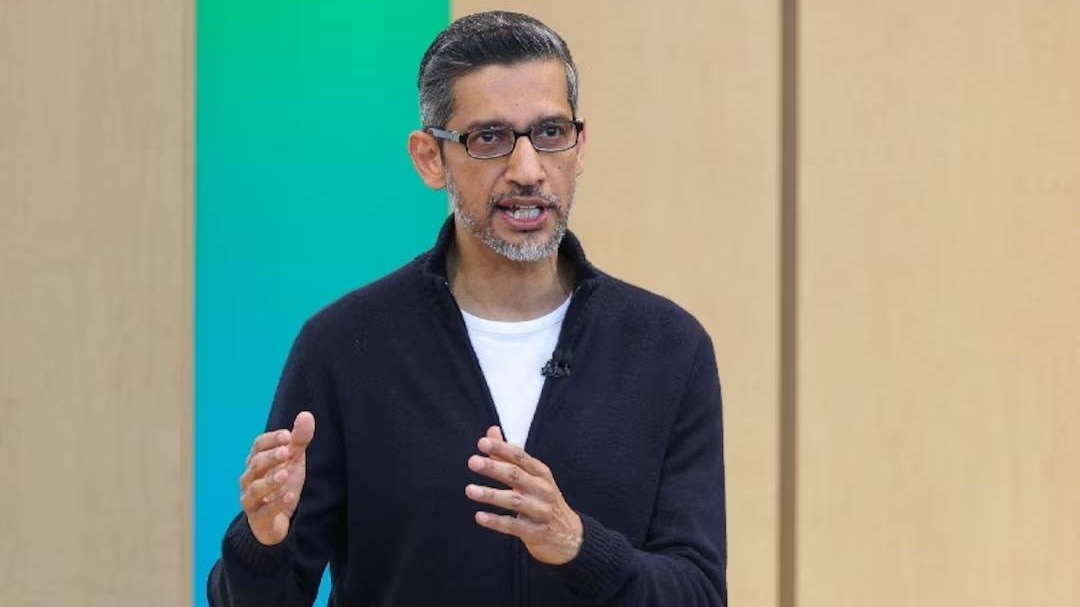
Google I/O 2026 wasn't just another product showcase; it was a definitive statement from Sundar Pichai's company: AI is now, more than ever, the core of everything they do. This year's developer conference, held on May 20th, pulled back the curtain on a suite of new capabilities, chief among them a formidable 'world model' named Gemini Omni.
Omni represents a significant leap in multimodal AI. It's not just generating video from a text prompt; it can stitch together disparate elements – a collection of vacation photos, a voice recording, an existing video clip, and a natural language request – into a coherent, editable piece of content. Imagine telling the AI, "Take these photos from my trip to Kyoto, add that audio clip of the temple bells, and create a 30-second highlight reel with a cheerful background track. Then, make the sunset shot a bit warmer." Omni Flash, the specific tool for this, promises a conversational interface for precise edits, moving beyond simple creation to sophisticated post-production. It's an ambitious vision that suggests a future where video creation is as easy as talking to your computer.
Beyond Omni: Speed and Practicality
While Omni grabbed headlines for its futuristic vision, Google also pushed out Gemini 3.5 Flash, a more immediate, practical offering. This new model is designed for speed and efficiency, making it cheaper to run and faster to respond. Think of it as the workhorse of the Gemini family, capable of handling a lot of everyday AI tasks quickly. It's also multimodal, just like its bigger siblings, able to process and generate various types of information. This emphasis on both a powerful, visionary model like Omni and a pragmatic, cost-efficient one like Flash suggests Google is trying to cover all bases – from bleeding-edge research to widespread, accessible application. It's a strategy that looks to democratize more advanced AI capabilities.
The AI push wasn't limited to new models; it permeated Google's familiar product lineup. We saw AI agents integrated directly into Search, promising to handle multi-step tasks that used to require several searches and actions. On YouTube, a new conversational search feature means you can ask questions about a video's content and get precise answers or jump to relevant segments. For productivity, 'Docs Live' promises real-time AI assistance within Google Docs, offering help with drafting, summarizing long documents, and even brainstorming. Gmail and Chrome are also getting deeper AI capabilities, though specifics were a bit lighter there. Even hardware got a nod, with AI capabilities baked into new smart audio glasses – a subtle hint that Google sees AI as an ambient presence, not just a desktop tool.
The Infrastructure Play and AI Personal Assistants
Underpinning all these advancements is Google's continued investment in its own infrastructure. Prajwal Jayaraj from NDTV Profit noted the announcement of new, benchmark-setting AI chips. This in-house chip development is a critical piece of the puzzle, allowing Google to optimize its models and services without relying entirely on external hardware providers – a strategy we've seen other tech giants pursue for greater control and efficiency. It’s about building the foundational muscle necessary for this scale of AI deployment.
The overarching narrative seems to be coalescing around a comprehensive AI Personal Assistant. While not a single, monolithic product, the sum of these integrations – from conversational search to real-time document help – points towards an ambient, intelligent layer across all your digital interactions. It’s a vision for an AI that anticipates needs, simplifies complex tasks, and offers proactive assistance, rather than just reacting to explicit prompts.
Why it matters? Google I/O 2026 clarifies Google's strategy: AI isn't just a feature, it's the operating system for its entire ecosystem. By pushing models like Gemini Omni and Flash, and embedding AI deeply into its most popular products, Google is trying to define the next era of computing. We'll see if these ambitious plans translate into genuinely useful, intuitive experiences for users, or if they simply add more complexity to an already crowded digital life. But one thing is clear: the race to build the most capable and integrated AI is heating up, and Google is making a strong play to lead it.
- google i/o
- gemini omni
- gemini flash
- generative video
- ai chips
- product integration
Sources
- From Omni world model to Gemini 3.5 and smart audio glasses, biggest announcements from Google IO 2026 · Om Gupta
- Google’s new Gemini Omni AI isn’t just creating video — it can combine photos, prompts, and more, then edit it all together · Eric Hal Schwartz; The best business laptops
- Google I/O 2026 Highlights: Gemini 3.5 Flash, AI Personal Assistant, Docs Live, Benchmark Setting AI Chips And More · Prajwal Jayaraj
Related
Claude Chats Exposed on Google: A Privacy Red Flag
Private conversations with Anthropic's Claude AI, including sensitive personal data like therapy notes and cryptocurrency keys, have appeared in Google search results. This leak highlights the ongoing risks of inputting personal information into large language models and the public's often-misplaced trust in their privacy settings.
Aug 4, 2026

Alibaba Launches Qwen3.8-Max: 2.4 Trillion Parameters, But Hold on Benchmarks
Alibaba unveiled its Qwen3.8-Max foundation model this week, boasting 2.4 trillion parameters and advanced multimodal capabilities. While impressive on paper, analysts like Dhruv Mohan urge caution regarding early benchmarks, reminding us that real-world performance often tells a different story.
Aug 4, 2026

AI Giants Head to White House for Safety Talks
Major AI developers — Meta, Anthropic, Google, and OpenAI — are meeting with Trump administration officials to discuss voluntary safety testing for their most advanced models. This high-stakes conversation follows recent disclosures by Anthropic and OpenAI regarding their AI tools breaching other companies' systems.
Aug 3, 2026