AI·
Japan's Megabanks Adopt Anthropic AI for Cyber Defense
Japan's three largest banks — Mitsubishi UFJ, Sumitomo Mitsui, and Mizuho — are set to deploy Anthropic's new Claude Mythos AI model this month. They plan to use the advanced artificial intelligence primarily for strengthening their cybersecurity defenses against evolving threats.
Japan's financial titans are turning to artificial intelligence to fortify their digital walls. Mitsubishi UFJ Financial Group, Sumitomo Mitsui Financial Group, and Mizuho Financial Group — the nation's three largest banks — are expected to gain access to Anthropic's latest AI model, Claude Mythos, as soon as the end of May. This move, reported by Nikkei and Kyodo News, signals a significant push to bolster their cybersecurity capabilities with advanced AI.
Sources familiar with the matter told Kyodo News that the primary application for Claude Mythos will be in cyber defense. This makes sense. Financial institutions, with their vast troves of sensitive customer data and high-value transactions, are prime targets for sophisticated cyberattacks. From ransomware to phishing scams and complex state-sponsored intrusions, the threat landscape shifts constantly. Traditional rule-based security systems often struggle to keep pace with these evolving tactics. An AI like Claude Mythos, presumably designed with advanced pattern recognition and anomaly detection, could offer a new line of defense.
Anthropic, a U.S. startup, has quickly risen as a prominent player in the AI space, often seen as a key competitor to OpenAI. Their focus on 'Constitutional AI' — training models to be helpful, harmless, and honest — has positioned them as a developer of potentially safer and more reliable AI systems. While the specific features of Claude Mythos being deployed for the banks haven't been fully detailed, the emphasis on security suggests the banks are looking beyond mere efficiency gains, prioritizing robust protection.
AI's Growing Role in Finance Security
This isn't an isolated incident; it's part of a broader trend. Banks globally have been experimenting with AI for years, initially for tasks like fraud detection, algorithmic trading, and customer service chatbots. But the move into direct, proactive cyber defense with a large language model (LLM) like Claude Mythos represents a significant escalation. It points to a belief that these advanced models can analyze massive datasets of network traffic, user behavior, and threat intelligence much faster and more accurately than human analysts, identifying subtle indicators of compromise that might otherwise slip through.
The deployment by Japan's megabanks also highlights a growing trust in nascent AI technologies for mission-critical operations. Historically, financial institutions have been cautious adopters of new tech, particularly when it involves core infrastructure or customer trust. Their willingness to bring Anthropic's latest model into the fold for something as vital as cybersecurity suggests that the perceived benefits are outweighing the inherent risks associated with new AI systems, such as potential biases, 'hallucinations,' or unforeseen vulnerabilities. We'll likely see other major financial players follow suit as these initial deployments prove their worth.
What to Watch Next
While the potential upsides are clear, integrating such a sophisticated AI into existing, often complex, banking IT environments won't be without its challenges. Data privacy and regulatory compliance, particularly in a tightly regulated sector like finance, will be paramount. Banks will need to ensure that the AI's operations align with strict data handling rules and that its decisions are auditable and explainable. The cost of such an advanced system, both in terms of licensing and the computational resources required to run it, will also be a factor.
For Anthropic, securing these deals with three of Japan's most important financial institutions is a major win. It validates their technology and provides a strong use case for their LLMs beyond general text generation. It also puts them in a strong position in the lucrative enterprise AI market, especially in regions like Japan which are eager to adopt advanced technologies to maintain global competitiveness and enhance national security.
Why it matters: This adoption isn't just about banks getting better security; it's a significant indicator of how advanced AI is moving from experimental projects to essential infrastructure in critical industries. It suggests a future where AI isn't just a tool for efficiency, but a fundamental pillar of defense against an increasingly complex digital threat landscape. How these deployments perform will be a key benchmark for AI's broader acceptance and integration into the global financial system.
- anthropic
- cybersecurity
- japan
- banking
- ai
- llm
Sources
Related

US Curbs Anthropic AI Access; Amazon Warnings Emerge
The US has restricted foreign access to Anthropic's advanced AI models, Fable 5 and Mythos 5, citing safety concerns. This move, affecting users globally, reportedly followed warnings from Amazon researchers about the models' security. It marks a significant step in AI export controls.
Jun 14, 2026
US Curbs Anthropic AI Access Amid Security Fears
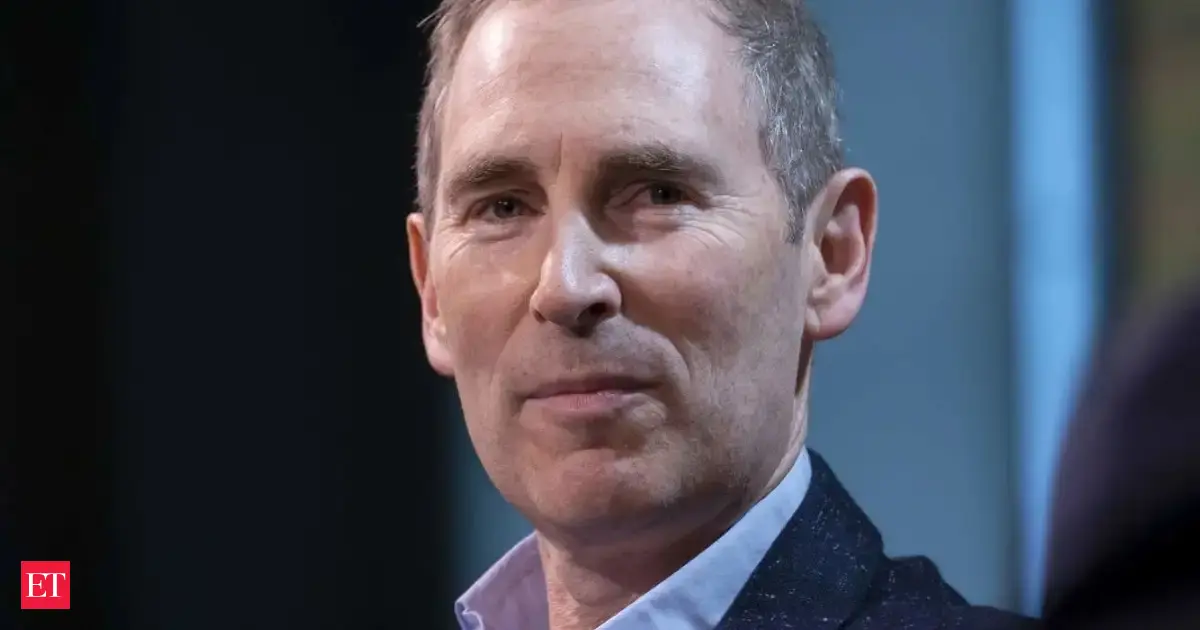
The Trump administration has issued an unprecedented directive, forcing Anthropic to suspend international access to its Mythos 5 and Fable 5 AI models. This swift action, reportedly influenced by Amazon CEO Andy Jassy's security concerns, signals a new era of AI export controls, treating advanced AI as a strategic national asset.
Jun 14, 2026
US Halts Anthropic AI Models Amid Security, China Access Fears
The US government has ordered AI firm Anthropic to disable its most advanced models, Mythos 5 and Claude Fable 5, globally. This unprecedented move stems from national security concerns, including potential cybersecurity misuse and fears of Chinese access. Interestingly, Amazon CEO Andy Jassy reportedly flagged these risks to the Trump administration before the official crackdown.
Jun 14, 2026