AI·
Musk in China as OpenAI Trial Closes, Judge Warns of Recall
Elon Musk visited Beijing this week, coinciding with the conclusion of his $150 billion lawsuit against OpenAI. The trial saw colorful testimony, including concerns from Microsoft executives about their early partnership. A judge has warned Musk he might be called back to court for further questioning.
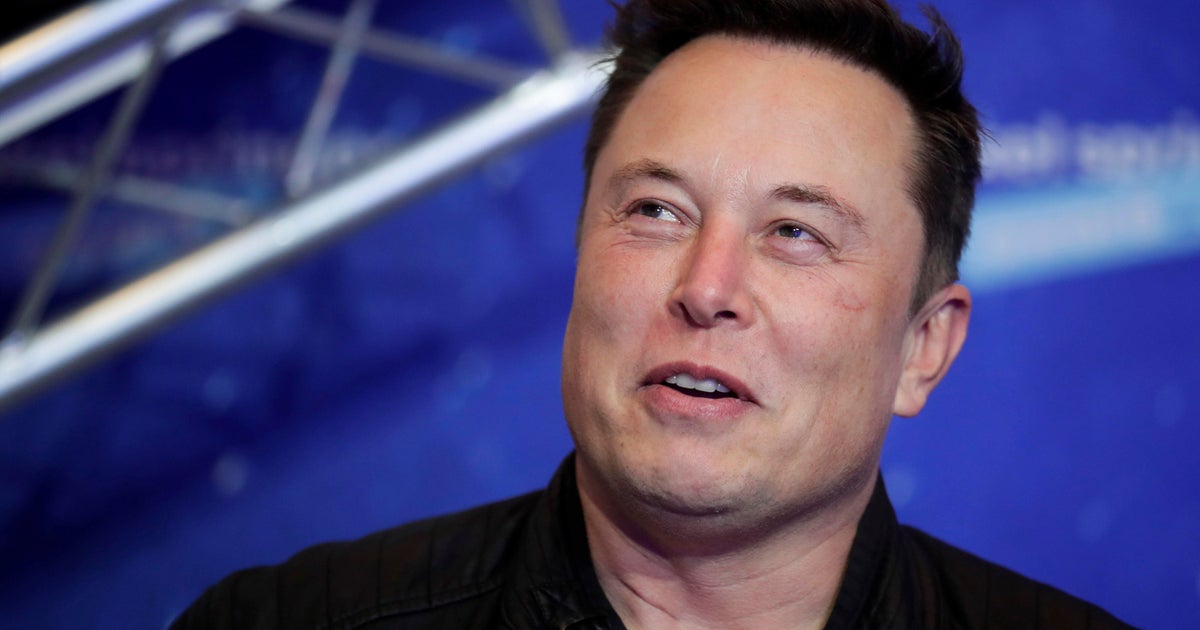
Elon Musk touched down in Beijing this week, a timely arrival considering events back in a California courtroom. His $150 billion lawsuit against OpenAI, the AI powerhouse he co-founded, wrapped up its final testimony, even as a judge warned the mercurial billionaire he might be recalled for further questioning.
The trial pitted Musk against OpenAI CEO Sam Altman and other co-founders, alleging a breach of the company's original non-profit mission. The stakes are immense, not just for the hefty sum Musk is seeking, but for the future direction and control of one of the world's most influential AI firms. Court proceedings, which concluded around May 13, 2026, offered a peek into the often-turbulent relationships at the heart of AI's early days.
Courtroom Drama: Trophies and Tantrums
The final days of testimony were far from dry legal arguments. Jurors heard about a gag-gift trophy, presented to Musk during a period when his relationship with OpenAI was already fraying. There was also mention of an “Elon Musk tantrum” — a moment of high emotion in a case already laden with it. Perhaps most intriguing, the name of LinkedIn co-founder Reid Hoffman, an early OpenAI board member and investor, surfaced prominently, suggesting his role in the company's complex origins was under scrutiny.
These anecdotes paint a picture of deeply personal grievances mixed with high-stakes corporate strategy. Musk's lawsuit contends that OpenAI strayed from its initial non-profit, open-source charter, morphing into a for-profit entity primarily serving Microsoft's commercial interests. While the sources don't detail the specific allegations, the substantial $150 billion figure implies a profound disagreement over intellectual property and the company's foundational values.
Microsoft's Early Doubts
Adding another layer to the drama, top Microsoft executives testified in the trial, revealing their own initial apprehension about their partnership with OpenAI. CNBC reported that these leaders expressed concerns during the early days of their collaboration, fearing their company could become overly dependent on OpenAI's technology. This testimony is crucial because Microsoft's investment and deep integration with OpenAI are central to the current commercial trajectory of the AI firm, a trajectory Musk has vehemently opposed.
Microsoft's caution highlights a broader industry challenge: how to form strategic alliances in a rapidly developing field without ceding too much control or risking a single point of failure. It shows that even the largest tech companies weigh the pros and cons of such close ties, especially when dealing with technology as transformative and fast-moving as artificial intelligence. Their early fears, now public, offer a counterpoint to the narrative of an unstoppable, seamless partnership.
What's Next for OpenAI and Musk?
As the trial concludes, the judge's warning to Musk — issued last month and reiterated as recently as May 14, 2026, according to CBS News — that he could be recalled to a California courtroom for further testimony, keeps the door open for more twists. Musk's high-profile visit to China, happening concurrently with these legal proceedings, adds another layer of intrigue. Is it a necessary business trip, a strategic distraction, or simply coincidental timing? We don't know, but it certainly doesn't make him easily accessible for a judicial summons.
The verdict, when it comes, will undoubtedly send ripples across the tech world. Regardless of the outcome, this trial has laid bare the internal struggles, the shifting allegiances, and the immense financial and ideological pressures shaping the future of AI. It's a reminder that even in fields promising to reshape humanity, the human element — with all its ambitions, disagreements, and personal histories — remains firmly at play.
Why it matters
This lawsuit isn't just about Elon Musk or OpenAI; it's a proxy battle for the soul of AI development. It underscores the tension between open research and commercial imperatives, the fight for control over foundational technologies, and the huge sums of money at stake. The outcome could influence how future AI startups are structured, how partnerships are formed, and ultimately, who dictates the direction of one of the most powerful technologies of our time.
- elon musk
- openai
- sam altman
- microsoft
- ai regulation
- lawsuit
Sources
- Musk flew to China as OpenAI trial nears its end, after judge warned he could be called back into court · Jennifer Jacobs; Jacob Rosen
- OpenAI trial wraps up with testimony about Reid Hoffman, a trophy, and a Musk outburst · Kaja Whitehouse; Laura Italiano; Stephen Council; Natalie Musumeci; Henry Blodget
- Microsoft feared being too dependent on OpenAI, Musk-Altman trial testimony reveals · Jordan Novet
Related
Claude Chats Exposed on Google: A Privacy Red Flag
Private conversations with Anthropic's Claude AI, including sensitive personal data like therapy notes and cryptocurrency keys, have appeared in Google search results. This leak highlights the ongoing risks of inputting personal information into large language models and the public's often-misplaced trust in their privacy settings.
Aug 4, 2026

Alibaba Launches Qwen3.8-Max: 2.4 Trillion Parameters, But Hold on Benchmarks
Alibaba unveiled its Qwen3.8-Max foundation model this week, boasting 2.4 trillion parameters and advanced multimodal capabilities. While impressive on paper, analysts like Dhruv Mohan urge caution regarding early benchmarks, reminding us that real-world performance often tells a different story.
Aug 4, 2026

AI Giants Head to White House for Safety Talks
Major AI developers — Meta, Anthropic, Google, and OpenAI — are meeting with Trump administration officials to discuss voluntary safety testing for their most advanced models. This high-stakes conversation follows recent disclosures by Anthropic and OpenAI regarding their AI tools breaching other companies' systems.
Aug 3, 2026