AI·
Musk Opts for China Amid OpenAI Trial Recall
Elon Musk traveled to China with Donald Trump despite a federal judge placing him on 'recall status' for the ongoing OpenAI trial. The move highlights Musk's unique priorities, blending high-stakes legal battles with geopolitical and business engagements, and raises questions about his availability for court.
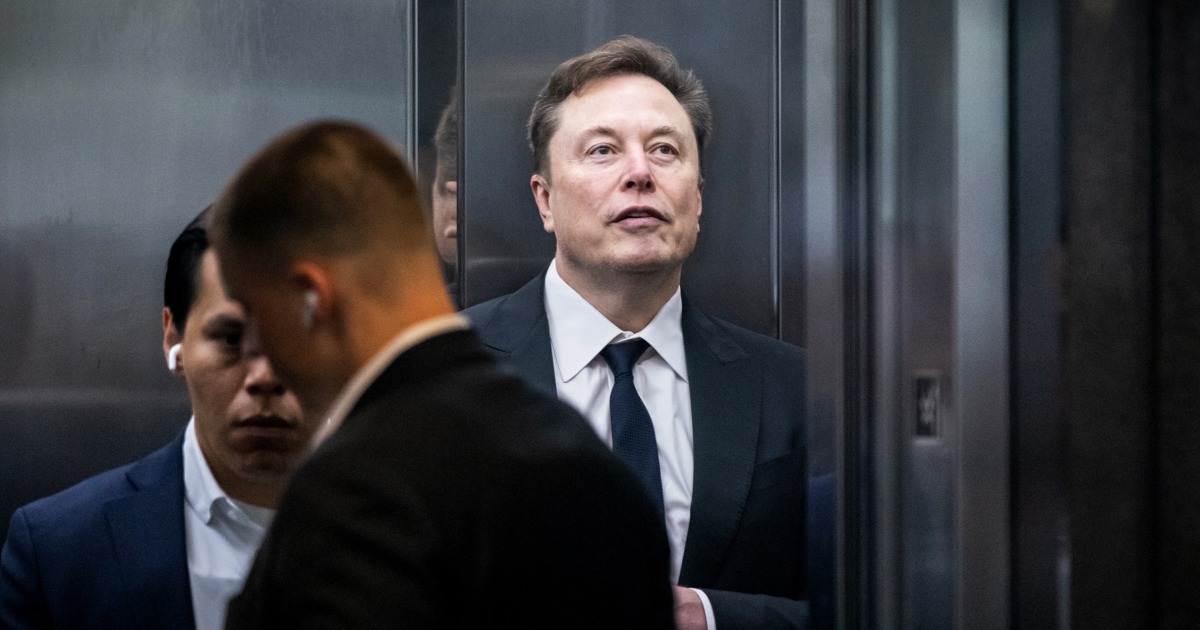
On May 13, 2026, as a federal judge expected him to be available on short notice for a high-stakes trial, Elon Musk took a very public trip to China. But he wasn't alone; former President Donald Trump was his traveling companion. This wasn't just a routine business or diplomatic jaunt. It was a stark display of priorities from one of the world's most influential, and often defiant, figures.
The backdrop for this particular escapade was a courtroom in California, where Musk is locked in a legal battle with OpenAI, the AI powerhouse he co-founded. U.S. District Judge Richard Seeborg had placed Musk on what's known as “recall status.” This meant that while Musk wasn't explicitly ordered to be in court every day, he was expected to be ready to return to the witness stand on short notice, should the court require his testimony. His decision to fly halfway across the world, seemingly unconcerned about this judicial expectation, certainly raised eyebrows within legal circles and the tech community alike.
The OpenAI Showdown: What's at Stake
Musk's lawsuit against OpenAI, filed earlier in the year, alleges that the company has strayed from its original non-profit, open-source mission. He claims that under the influence of Microsoft's massive investment and its pursuit of profit, OpenAI has become a closed-source, for-profit entity that prioritizes shareholder returns over humanity's benefit. The trial has been a fascinating glimpse into the early days of OpenAI, the ideological clashes between its founders, and the rapid commercialization of artificial intelligence.
The stakes are incredibly high. Musk is seeking to compel OpenAI to adhere to its foundational agreement, or to return its advanced AI models to the public domain. He's also seeking monetary damages, though the primary focus appears to be the ideological battle over AI's future. His testimony is considered crucial to the plaintiff's case, shedding light on the initial agreements and understandings he had with OpenAI's other co-founders, including CEO Sam Altman. Given this, his physical presence, or at least his readiness to return, was more than a mere formality.
More Than Just a Trip: Optics and Priorities
Musk's decision to join Trump in China, especially given his critical business interests there with Tesla, sends a clear message about what he prioritizes. While the specifics of the trip were not fully disclosed, the presence of two such prominent, often controversial, American figures in Beijing speaks volumes about geopolitical influence, business interests, and personal alliances. For Musk, China is a critical market for Tesla, and maintaining good relations with the government is paramount to his automotive ambitions. The optics of aligning with a former U.S. President, especially one who has had a tumultuous relationship with China, while simultaneously navigating a major domestic legal challenge, are complex.
It’s not the first time Musk has seemingly skirted judicial expectations. His history is dotted with instances where he has pushed boundaries, often testing the patience of regulators and courts. This latest move continues that pattern, showcasing a willingness to balance, or perhaps disregard, formal legal obligations against his perceived broader strategic and political objectives. While the direct legal consequences of being on “recall status” and traveling internationally might be limited — the judge did not issue a warrant or an explicit travel ban — it certainly doesn't foster goodwill with the court.
Why it Matters
This incident isn't just a curious footnote in Elon Musk's eventful life; it reflects deeper tensions in the tech world and beyond. It highlights the immense power and unique position of figures like Musk, who can seemingly juggle complex legal battles, massive business operations, and international political engagements with a degree of autonomy rarely seen. For the OpenAI trial, it underscores the challenges of managing such a high-profile defendant. More broadly, it's a reminder of how intertwined tech leadership, global politics, and personal choices have become, shaping not only the future of AI but also the very fabric of international relations and corporate governance.
- elon musk
- openai
- trial
- china
- donald trump
- legal
Sources
Related
Claude Chats Exposed on Google: A Privacy Red Flag
Private conversations with Anthropic's Claude AI, including sensitive personal data like therapy notes and cryptocurrency keys, have appeared in Google search results. This leak highlights the ongoing risks of inputting personal information into large language models and the public's often-misplaced trust in their privacy settings.
Aug 4, 2026

Alibaba Launches Qwen3.8-Max: 2.4 Trillion Parameters, But Hold on Benchmarks
Alibaba unveiled its Qwen3.8-Max foundation model this week, boasting 2.4 trillion parameters and advanced multimodal capabilities. While impressive on paper, analysts like Dhruv Mohan urge caution regarding early benchmarks, reminding us that real-world performance often tells a different story.
Aug 4, 2026

AI Giants Head to White House for Safety Talks
Major AI developers — Meta, Anthropic, Google, and OpenAI — are meeting with Trump administration officials to discuss voluntary safety testing for their most advanced models. This high-stakes conversation follows recent disclosures by Anthropic and OpenAI regarding their AI tools breaching other companies' systems.
Aug 3, 2026