AI·
Nadella Set to Testify in Musk's OpenAI Lawsuit
Microsoft CEO Satya Nadella is expected to testify in Elon Musk's lawsuit against OpenAI, shedding light on Microsoft's funding of the AI company. His testimony will focus on internal emails detailing OpenAI's transformation from a non-profit to a for-profit entity. This legal battle probes the foundational mission of one of the world's leading AI developers.
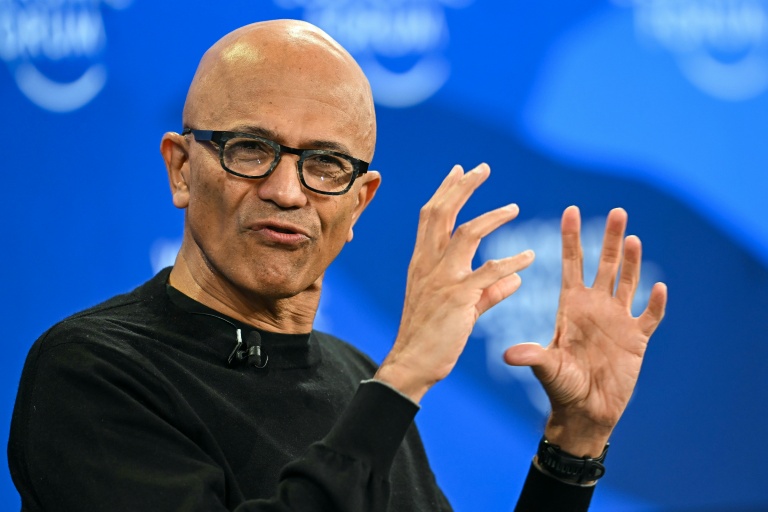
Microsoft CEO Satya Nadella is slated to take the stand this Monday, May 11, 2026, in the high-profile legal showdown between Elon Musk and OpenAI. Nadella's testimony promises to be a pivotal moment, as he's expected to explain emails that detail Microsoft's substantial funding and its role in OpenAI's controversial shift from a philanthropic research organization to a for-profit AI giant.
Musk's lawsuit, filed earlier this year, alleges that OpenAI—a company he co-founded in 2015—abandoned its original mission to develop artificial general intelligence (AGI) for the benefit of humanity, not for profit. He claims the company, under the influence of Microsoft's investment, strayed from its non-profit roots and is now essentially a for-profit subsidiary of the Redmond tech behemoth. This isn't just a corporate spat; it's a battle over the very soul of AI development, pitting open, beneficial research against commercial gain.
The Genesis of a Giant and its Pivot
OpenAI began with grand ambitions. Musk, alongside Sam Altman, Greg Brockman, and Ilya Sutskever, established it as a non-profit dedicated to ensuring AI benefits all of humanity, steering clear of the corporate pressures that might compromise its ethical direction. For years, it operated under this premise, publishing research openly and collaborating widely. However, as the computational demands and talent acquisition costs for advanced AI models like GPT-3 skyrocketed, the non-profit structure proved unsustainable. In 2019, OpenAI announced a new “capped-profit” entity, OpenAI LP, designed to attract significant investment while theoretically maintaining its commitment to its founding mission.
It was then that Microsoft stepped in, investing billions – first $1 billion in 2019, then another $10 billion in 2023. This massive infusion of capital was crucial for OpenAI's development, fueling its computational power and allowing it to hire top researchers. But it also entangled the company deeply with Microsoft, granting the tech giant exclusive licensing rights to OpenAI's models and integrating them into products like Azure. The emails Nadella is set to discuss likely shed light on the internal deliberations and agreements that facilitated this pivot, detailing how Microsoft’s money directly influenced OpenAI’s structural and strategic choices. Musk argues this relationship fundamentally corrupted OpenAI's initial charter.
What Nadella's Testimony Could Reveal
Nadella's appearance on the stand is a big deal. He's not just a CEO; he's been a key architect of Microsoft's aggressive AI strategy, positioning the company as a leader in the space largely through its partnership with OpenAI. His testimony will likely focus on the business rationale behind Microsoft's investments, the terms of their partnership, and the company's understanding of OpenAI's mission during its evolution. The emails in question, presumed to be between Microsoft and OpenAI executives, could expose the extent of Microsoft's influence over OpenAI's direction, and perhaps even touch on discussions about the non-profit's original charter.
This isn't just about financial transactions; it's about the spirit of the deal. Did Microsoft understand that OpenAI's founders intended for it to remain independent and focused purely on humanity's benefit, or was the capped-profit structure always seen as a pathway to commercialization? Nadella's answers will be scrutinized for any inconsistencies with Musk's narrative, which paints Microsoft as a primary driver of OpenAI's alleged deviation from its core principles. The outcome of this testimony could impact how future partnerships between tech giants and ostensibly independent AI research labs are viewed and structured.
Why it matters
This lawsuit, and Nadella’s testimony, goes far beyond the specifics of a corporate dispute. It forces a public reckoning with the tension between rapid AI development and ethical governance. As AI becomes more powerful and integrated into our lives, the question of who controls it—and for what purpose—grows increasingly critical. The proceedings will not only determine the legal standing of OpenAI's transformation but also offer a rare glimpse into the backroom dealings that shape the future of artificial intelligence, potentially setting precedents for how we think about AI's mission and accountability going forward.
- openai
- microsoft
- elon musk
- lawsuit
- ai ethics
- nadella
Sources
Related

Replit, Visa Empower AI Agents with Digital Identity and Payments
Replit and Visa are partnering to embed payment capabilities directly into AI agent workflows, allowing autonomous agents to pay for services. This collaboration includes a strategic investment from Visa and a new identity layer for agents, potentially reshaping how AI software operates and transacts online.
May 30, 2026
Nvidia Deepens Korea Ties with AI Hub Plan, Huang Visit
Nvidia is strengthening its footprint in South Korea. CEO Jensen Huang is expected to visit, coinciding with plans by Nvidia-backed Reflection AI to build a multi-billion dollar data center there. This move signals a strategic push for open AI infrastructure amid rising global competition.
May 30, 2026

OpenAI Taps Citi, JPMorgan for IPO Preparations
OpenAI is reportedly in talks with financial giants Citigroup and JPMorgan Chase to join its initial public offering banking lineup. This move, reported late last week, signals serious progress toward a highly anticipated public debut for the influential AI developer.
May 29, 2026