AI·
OpenAI Clears Major Hurdle as Musk Lawsuit Dismissed
A jury has sided with OpenAI, swiftly dismissing Elon Musk's high-profile lawsuit against the AI giant. The unanimous decision, based on the statute of limitations, removes a significant obstacle for OpenAI's anticipated public offering. Musk's legal team has indicated plans to appeal the ruling.
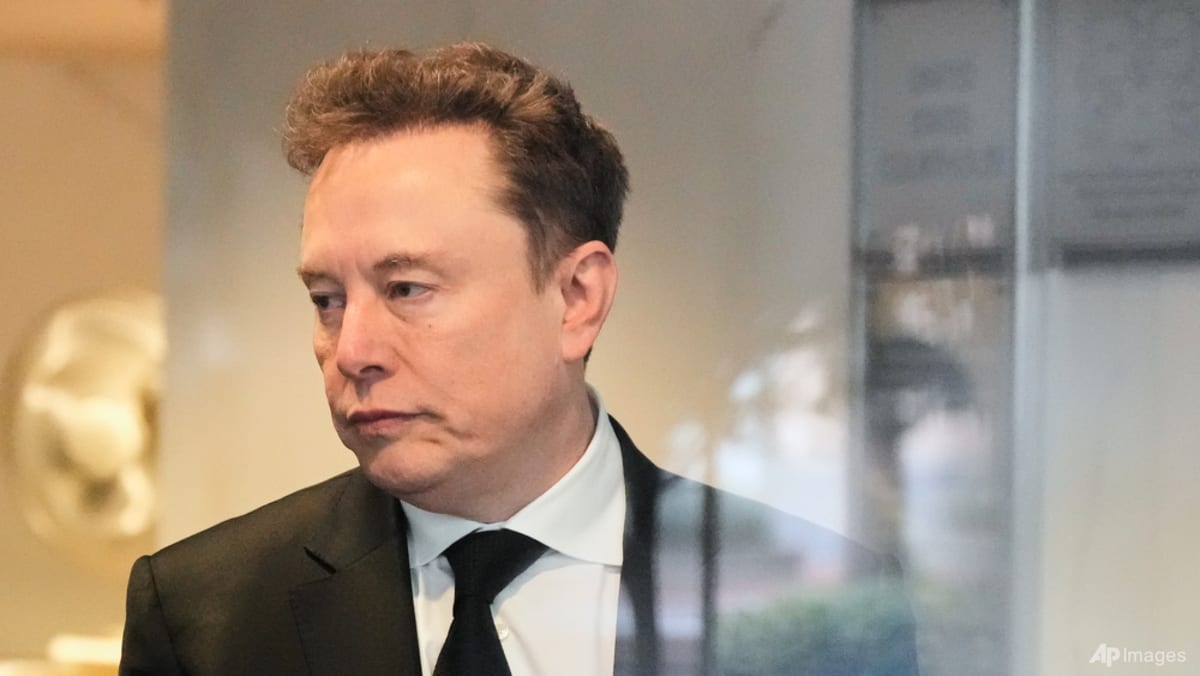
In a rapid turn of events, a jury delivered a decisive victory to OpenAI on May 18, 2026, dismissing the high-profile lawsuit brought by Elon Musk. The unanimous verdict, reached after less than two hours of deliberation, hinged on the finding that Musk had simply filed his claims too late, citing the statute of limitations. This procedural win clears a major legal cloud that had been hanging over OpenAI, particularly as the company gears up for a highly anticipated initial public offering.
Musk, a co-founder of OpenAI, had accused the company of abandoning its original non-profit mission to develop artificial general intelligence (AGI) for the benefit of all humanity. His lawsuit claimed a breach of contract, arguing that OpenAI had veered off course by pursuing profit and forming partnerships, most notably with Microsoft, that he believed contradicted its founding principles. While the specifics of these claims weren't fully litigated in this verdict, the case itself highlighted the increasingly complex tension between AI's foundational ideals and its commercial realities.
A Swift Decision, Big Implications
The speed and unanimity of the jury's decision are striking. Less than 120 minutes of discussion was all it took for the jurors to agree that the legal window for Musk's complaint had closed. This outcome effectively sidesteps the deeper philosophical arguments about AI's purpose and governance that the trial had initially promised to explore. Instead, it became a matter of legal timing, a technicality that nonetheless carries immense weight for the future of one of the world's leading AI developers.
For OpenAI, this ruling is a breath of fresh air. The company has been aggressively expanding its commercial offerings, pushing its large language models like GPT-4 into a myriad of applications, from enterprise solutions to consumer products. A protracted legal battle with its high-profile co-founder could have cast a long shadow over its financial prospects and investor confidence, potentially delaying or even complicating its path to an IPO. Now, with this immediate threat neutralized, the company can move forward with greater certainty.
What's Next for Musk and OpenAI
Not surprisingly, Musk's legal counsel was quick to signal that this isn't the end. "This one is not over," a lawyer for the billionaire stated after the verdict, confirming plans to appeal. This suggests that while OpenAI has won this round on procedural grounds, the underlying disagreements and the broader debate about AI's direction are far from settled. Musk remains a vocal critic of OpenAI's commercialization and its perceived deviation from its initial mission, often using his platform to advocate for more open-source and safety-focused AI development.
His own AI venture, xAI, launched with a stated commitment to understanding the true nature of the universe and developing AGI that is "maximalist in its pursuit of truth." The ongoing legal friction with OpenAI can be seen as part of a larger ideological battle Musk is waging over the future trajectory of artificial intelligence itself. How this appeal will fare, and whether it will force a deeper examination of the substance of his claims, remains to be seen.
Why it matters
This verdict, while procedural, has significant implications for OpenAI's immediate business strategy and the broader AI industry. It removes a considerable legal and reputational risk, potentially accelerating OpenAI's journey to the public market. For Elon Musk, it's a temporary setback in his quest to reshape AI's development path, but his intent to appeal ensures the conversation, and perhaps the legal battle, will continue. Ultimately, this case highlights the growing pains of a rapidly evolving industry, grappling with its founding ideals as it faces immense commercial pressures and societal expectations.
- openai
- elon musk
- lawsuit
- ipo
- ai regulation
- legal
Sources
- OpenAI defeats Elon Musk's lawsuit, removing obstacle to IPO · Unknown
- Jury throws out Elon Musk's lawsuit against OpenAI after less than two hours of deliberation — Unanimous vote that Musk filed the lawsuit too late · Luke James
- Lawyers for Elon Musk and OpenAI make their final case in a trial that could shape AI's future · Unknown
Related
Claude Chats Exposed on Google: A Privacy Red Flag
Private conversations with Anthropic's Claude AI, including sensitive personal data like therapy notes and cryptocurrency keys, have appeared in Google search results. This leak highlights the ongoing risks of inputting personal information into large language models and the public's often-misplaced trust in their privacy settings.
Aug 4, 2026

Alibaba Launches Qwen3.8-Max: 2.4 Trillion Parameters, But Hold on Benchmarks
Alibaba unveiled its Qwen3.8-Max foundation model this week, boasting 2.4 trillion parameters and advanced multimodal capabilities. While impressive on paper, analysts like Dhruv Mohan urge caution regarding early benchmarks, reminding us that real-world performance often tells a different story.
Aug 4, 2026

AI Giants Head to White House for Safety Talks
Major AI developers — Meta, Anthropic, Google, and OpenAI — are meeting with Trump administration officials to discuss voluntary safety testing for their most advanced models. This high-stakes conversation follows recent disclosures by Anthropic and OpenAI regarding their AI tools breaching other companies' systems.
Aug 3, 2026