AI·
OpenAI Faces Multistate Probe Amid IPO Preparations
OpenAI is under investigation by multiple states over potential user harm from its AI models, a development that comes just as the company prepares for a highly anticipated public offering. This probe casts a shadow of regulatory scrutiny over its imminent IPO.
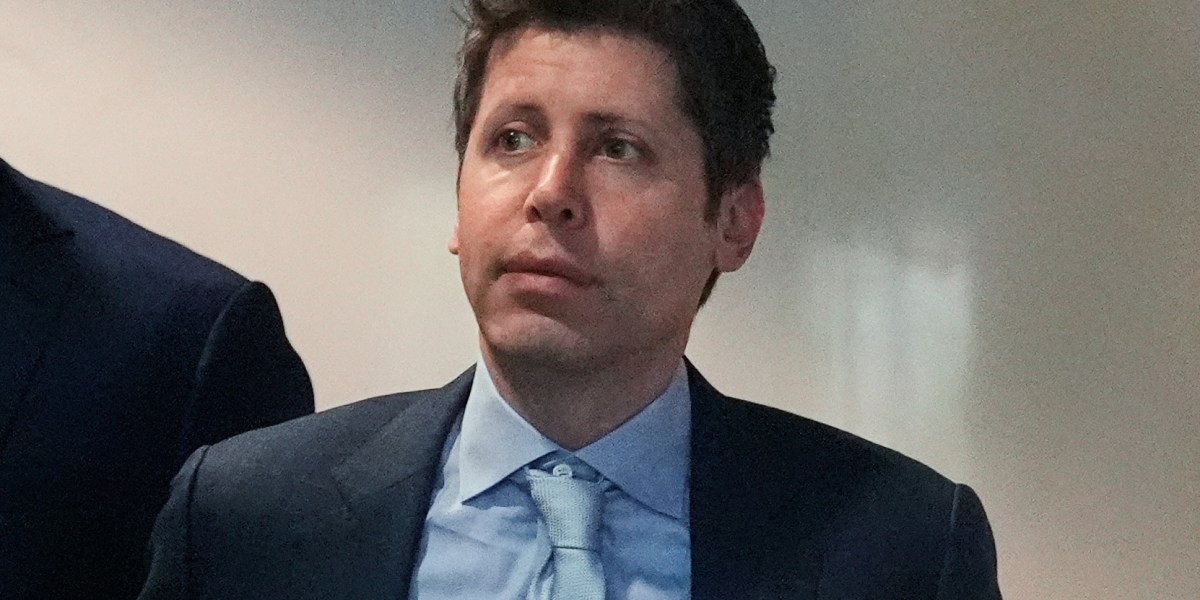
Just as OpenAI, the architect behind ChatGPT, edges closer to a landmark public offering, it finds itself caught in the glare of regulatory scrutiny. A coalition of state attorneys general has launched a multistate probe into the company, citing concerns over potential user harm stemming from its powerful artificial intelligence models.
The news broke on June 13, 2026, when both Fortune and SFGate reported that OpenAI received a subpoena as part of this inquiry. The timing couldn't be more delicate; the company had filed confidentially for its highly anticipated IPO mere days before the probe became public. For a company seeking to raise significant capital and instill investor confidence, an active investigation into the safety of its core products is hardly ideal.
OpenAI, for its part, has issued a statement. "AI is a new and powerful technology, and we work every day to safely bring its benefits to people in a responsible way," the company said. They also indicated they would respond to the inquiry "constructively." This is a standard corporate response, of course, but it underscores the delicate balance OpenAI must strike between rapid innovation and public trust.
A Broader Regulatory Trend
This isn't an isolated incident, but rather a clear sign of the growing regulatory push aimed at the booming AI sector. Governments around the world, and now states within the U.S., are scrambling to understand and, more importantly, govern artificial intelligence. The rapid advancement of AI tools, from sophisticated chatbots to image generators, has outpaced existing legal frameworks, leaving a vacuum that regulators are now keen to fill.
While the specifics of the "user harm" being investigated in this particular probe haven't been detailed publicly, we can infer the types of issues that concern authorities. These often include the potential for AI models to generate misinformation, violate privacy through data scraping, perpetuate biases found in training data, or produce convincing deepfakes. Hallucinations—where an AI confidently presents false information as fact—are another common worry. For a product like ChatGPT, which millions use for everything from research to creative writing, these concerns are magnified.
We've seen this play out before with other tech giants. Microsoft faced landmark antitrust cases in the late 90s. Google and Meta have grappled with privacy and content moderation issues for years, often resulting in hefty fines and ongoing legal battles. For powerful tech companies, especially those reaching for public markets, facing regulatory hurdles almost feels like a rite of passage. The difference here is the relative youth of the AI industry and the truly novel challenges it presents.
IPO Impact and What's Next
The most immediate question this probe raises is its potential impact on OpenAI's IPO. A confidential filing suggests the company is well down the path to going public. This investigation introduces an element of uncertainty that investors typically dislike. Will it delay the offering? Could it affect the company's valuation? The answers aren't clear yet, but the mere existence of a multistate probe could make some institutional investors hesitant, at least until more details emerge or the inquiry shows signs of winding down.
OpenAI has consistently tried to position itself as a responsible leader in AI development, even establishing a non-profit arm to guide its commercial ventures. This probe tests that narrative at a critical juncture. The company's ability to demonstrate a clear path to mitigating user harm, and to cooperate fully and transparently with regulators, will be crucial. It's not just about legal compliance; it's about maintaining trust in a technology that many still view with a mix of awe and apprehension.
Why it matters
This probe isn't just about OpenAI; it's a bellwether for the future of AI regulation and how quickly governments will act to shape the industry. For investors, it's a reminder that even the most promising tech companies aren't immune to public and legal oversight, particularly as they seek to move from private darling to public titan. We'll be watching closely to see how OpenAI navigates this challenge and what precedents it sets for the rest of the AI sector.
- openai
- ipo
- regulation
- ai safety
- chatbot
- legal probe
Sources
- OpenAI hit with multistate probe into possible user harm, days after filing for a highly anticipated IPO | Fortune · Bernard Condon; The Associated Press
- OpenAI hit with multistate probe into possible user harm as its IPO looms · BERNARD CONDON, AP Business Writer
Related
Claude Chats Exposed on Google: A Privacy Red Flag
Private conversations with Anthropic's Claude AI, including sensitive personal data like therapy notes and cryptocurrency keys, have appeared in Google search results. This leak highlights the ongoing risks of inputting personal information into large language models and the public's often-misplaced trust in their privacy settings.
Aug 4, 2026

Alibaba Launches Qwen3.8-Max: 2.4 Trillion Parameters, But Hold on Benchmarks
Alibaba unveiled its Qwen3.8-Max foundation model this week, boasting 2.4 trillion parameters and advanced multimodal capabilities. While impressive on paper, analysts like Dhruv Mohan urge caution regarding early benchmarks, reminding us that real-world performance often tells a different story.
Aug 4, 2026

AI Giants Head to White House for Safety Talks
Major AI developers — Meta, Anthropic, Google, and OpenAI — are meeting with Trump administration officials to discuss voluntary safety testing for their most advanced models. This high-stakes conversation follows recent disclosures by Anthropic and OpenAI regarding their AI tools breaching other companies' systems.
Aug 3, 2026