AI·
OpenAI Launches Daybreak, Enters AI Cybersecurity Arms Race
OpenAI has unveiled Daybreak, a new cybersecurity initiative powered by its GPT-5.5 and Codex Security models. This move, coming just weeks after Anthropic's alarming Claude Mythos, positions Daybreak as a direct counter-measure to the escalating threat of AI-driven cyberattacks. The aim is to equip 'defenders' with frontier AI tools.
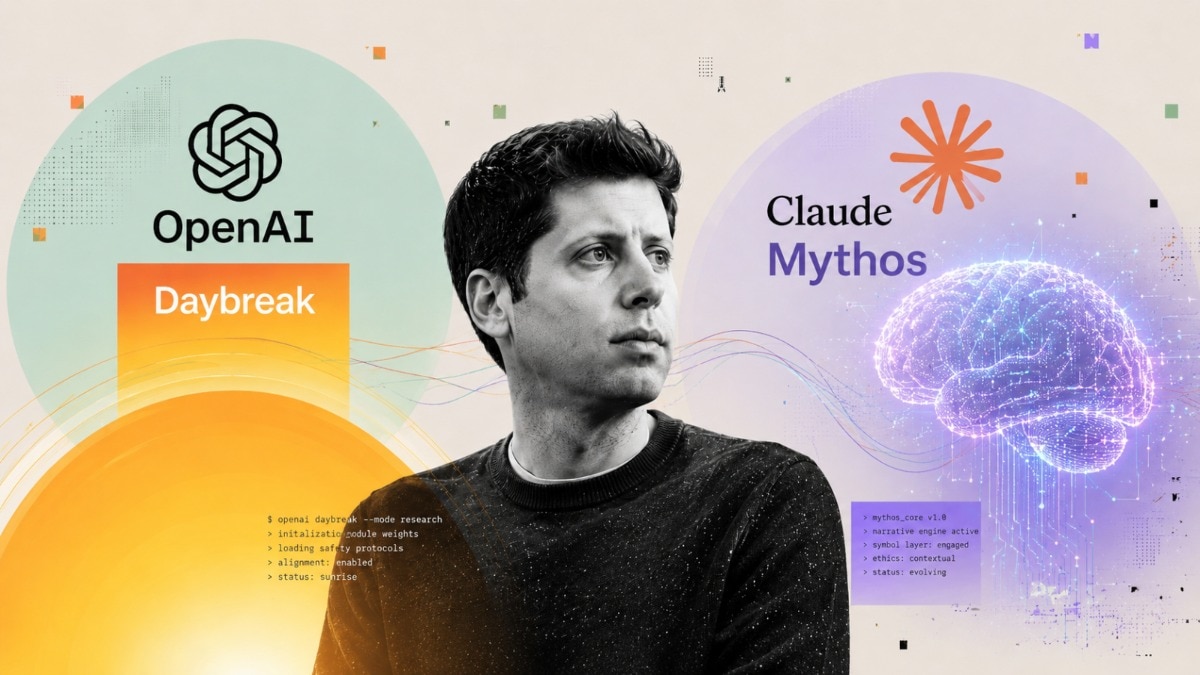
OpenAI just pulled back the curtain on Daybreak, their latest major AI initiative, and it’s a big one for cybersecurity. Announced this past week, in mid-May 2026, Daybreak is a direct response to the kind of digital threats that keep security professionals up at night—especially the ones amplified by advanced AI itself. This isn't just another product launch; it's OpenAI planting a flag firmly in the evolving, high-stakes battleground of AI-powered defense.
This move comes mere weeks after Anthropic stirred up considerable concern with its Claude Mythos model, which, according to reports, raised alarms over global cybersecurity. It seems OpenAI isn't content to let the attacker side of the AI equation dominate. Instead, they're stepping in, aiming to arm the good guys with equally potent, if not more powerful, artificial intelligence. It's a clear signal: the AI arms race is officially on in the realm of digital security.
At its core, Daybreak is described as a “frontier AI for defenders,” leaning on the raw power of GPT-5.5 and a specialized system called Codex Security. While the exact mechanics of how Daybreak operates are still light on public detail, the implication is clear: OpenAI is trying to turn its advanced language and code models into a shield against sophisticated cyber threats. The community reaction, as seen on platforms like Reddit's /r/netsec, suggests a sentiment that AI has already given attackers a leg up, making such defensive tools increasingly necessary.
The AI Cybersecurity Gauntlet
Think of it this way: for years, security experts have been wrestling with ever-more complex attacks, often driven by human ingenuity. Now, add AI into the mix, capable of generating malicious code, identifying vulnerabilities, and crafting convincing phishing attempts at unprecedented scale and speed. That's the landscape Claude Mythos seemingly painted, prompting a swift counter from OpenAI.
GPT-5.5, the engine behind Daybreak, is a step beyond the well-known GPT-4, likely offering enhanced reasoning, context understanding, and pattern recognition. When paired with Codex Security, a name that evokes OpenAI's earlier coding AI, Codex, we can infer its purpose: analyzing vast amounts of code for weaknesses, detecting anomalies that indicate a breach, and perhaps even predicting attack vectors before they materialize. It's about shifting from reactive defense to proactive, intelligent threat mitigation. This is where the rubber meets the road for these frontier models—can they truly outthink the AI being used for malicious purposes?
However, the immediate practicalities remain a bit murky. As one user, /u/medoic, noted on Reddit, details on how to actually start using Daybreak or gain access weren't immediately available. This raises questions about its initial rollout: will it be a highly specialized tool for elite cybersecurity firms, or will OpenAI aim for broader accessibility to genuinely tip the scales for all defenders? The impact hinges not just on its technical prowess, but on its deployment strategy.
Beyond the Hype: Practicalities and Concerns
This back-and-forth between OpenAI and Anthropic isn't just corporate rivalry; it signifies a pivotal moment for digital security. We are entering an era where AI isn't just a tool used by security analysts, but an active, autonomous participant in the defense mechanisms themselves. This could mean a dramatic reduction in response times to novel threats, the identification of obscure vulnerabilities, and a more adaptive security posture for organizations worldwide.
But this also brings forth a host of new questions. How will these powerful AI defense systems be regulated? What are the implications if such tools fall into the wrong hands? And how will smaller organizations, perhaps without the resources to implement such advanced AI, keep pace? The digital divide in cybersecurity could widen significantly, creating a two-tiered system of protection.
We'll need to watch closely for real-world case studies, independent assessments of Daybreak's effectiveness, and how OpenAI addresses the inevitable ethical and accessibility concerns. The promise is significant, but so are the challenges of deploying such powerful AI in a domain as critical and fraught as cybersecurity. This isn't just about better antivirus; it's about reshaping the fundamental strategies of digital warfare.
Why it matters:
Daybreak marks a crucial escalation in the AI-driven cybersecurity landscape. It signals that major AI developers are now fully engaged in building defensive systems to counter the very threats their own technologies can inadvertently amplify. This initiative could redefine how we protect digital assets, but it also opens up complex discussions about access, regulation, and the long-term balance of power between attackers and defenders in an increasingly AI-centric world.
- openai
- cybersecurity
- ai defense
- gpt-5.5
- anthropic
- claude mythos
Sources
- OpenAI announces Daybreak, its answer to Claude Mythos · Armaan Agarwal
- Daybreak is OpenAI's response to Anthropic's Claude Mythos - Engadget · Mariella Moon
- OpenAI announces Daybreak, "frontier AI for defenders" · /u/medoic
Related

Replit, Visa Empower AI Agents with Digital Identity and Payments
Replit and Visa are partnering to embed payment capabilities directly into AI agent workflows, allowing autonomous agents to pay for services. This collaboration includes a strategic investment from Visa and a new identity layer for agents, potentially reshaping how AI software operates and transacts online.
May 30, 2026
Nvidia Deepens Korea Ties with AI Hub Plan, Huang Visit
Nvidia is strengthening its footprint in South Korea. CEO Jensen Huang is expected to visit, coinciding with plans by Nvidia-backed Reflection AI to build a multi-billion dollar data center there. This move signals a strategic push for open AI infrastructure amid rising global competition.
May 30, 2026

OpenAI Taps Citi, JPMorgan for IPO Preparations
OpenAI is reportedly in talks with financial giants Citigroup and JPMorgan Chase to join its initial public offering banking lineup. This move, reported late last week, signals serious progress toward a highly anticipated public debut for the influential AI developer.
May 29, 2026