AI·
OpenAI Probe Casts Shadow on IPO Plans
Multiple state attorneys general have launched a probe into OpenAI over potential user harm from its popular chatbot, ChatGPT, as the company prepares for its initial public offering. The inquiry, initiated by a subpoena, could complicate the AI giant's highly anticipated path to the public market.
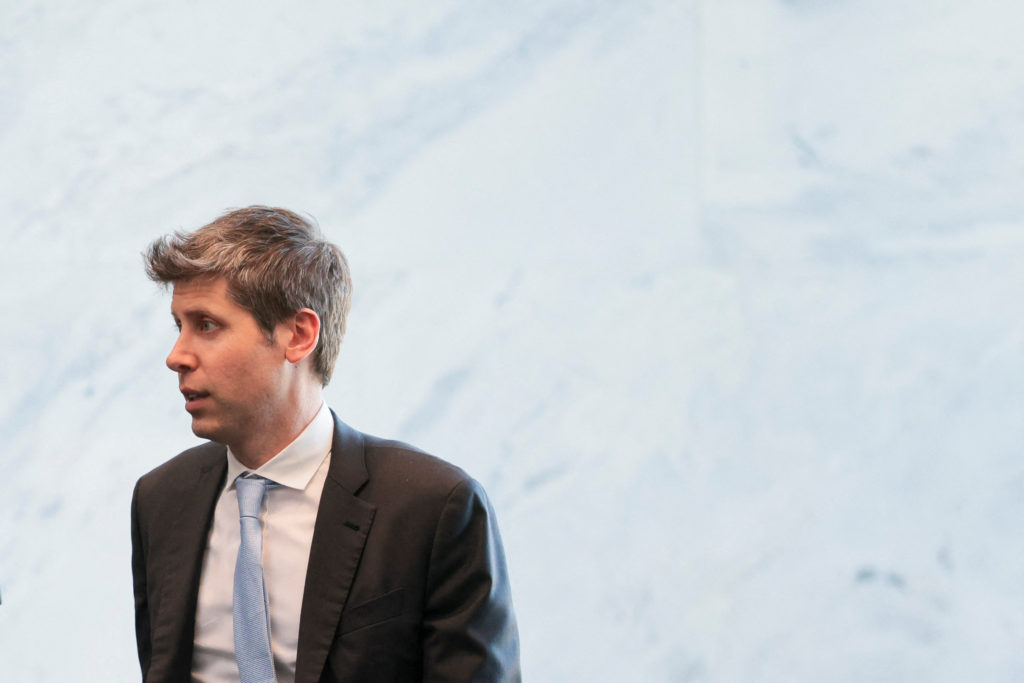
Just as OpenAI was gearing up for its highly anticipated public debut, a new wrinkle has appeared: a multistate probe into how its popular chatbot, ChatGPT, might be harming users. This isn't just a routine check. The timing, particularly with an initial public offering (IPO) looming, feels significant for the company at the forefront of the generative AI boom.
On June 13, 2026, multiple state attorneys general issued a subpoena to the San Francisco-based AI firm, initiating an inquiry into the safety of its customers using its chatbot. While specific allegations weren't immediately public, the focus is clearly on “possible user harm.” OpenAI, for its part, quickly issued a statement, saying it plans to “constructively” respond to the inquiry and that it already has measures in place to protect its customers. This boilerplate response is standard, but it doesn't diminish the weight of such a coordinated investigation.
Why Now? The IPO and Public Scrutiny
The most striking aspect of this development is its convergence with OpenAI's reported plans to offer stock to the public for the first time. An IPO is a monumental undertaking, requiring intense scrutiny from investors, regulators, and the public alike. Any significant legal or regulatory challenge can delay, complicate, or even derail such plans. While the exact timeline for OpenAI's IPO remains fluid, the prospect of an offering in the next year or two has been a consistent whisper in tech circles. This probe throws a wrench into that narrative.
For years, critics have raised alarms about the rapid deployment of powerful AI models like ChatGPT. Concerns range from the potential for generating misinformation and deepfakes to issues of data privacy, algorithmic bias, and even child safety. A multistate probe, which often signals coordinated action by various state attorneys general, typically focuses on consumer protection issues. We've seen similar patterns with investigations into other tech giants over antitrust, privacy, or content moderation practices. The legal playbook for AI is still being written, but consumer protection laws offer a broad canvas for regulators to work with.
Broader Implications for AI
This isn't just an OpenAI problem; it's a bellwether for the entire AI industry. As AI models become more integrated into daily life, questions of accountability, safety, and ethical deployment are no longer theoretical. Governments worldwide are scrambling to understand and regulate this rapidly evolving technology. In the U.S., we've seen calls for federal legislation, executive orders, and now, increasingly, action at the state level. State attorneys general often step in where federal action is slow, using existing consumer protection statutes to address emerging harms.
The specific scope of this subpoena will be critical. Are they looking into how ChatGPT might spread disinformation, or how it handles user data? Are there concerns about its use by minors, or the potential for discriminatory outputs? The answers will likely shape not just OpenAI's immediate future but also the regulatory environment for other AI developers. Investors will be watching closely, as regulatory headwinds can significantly impact valuations and market sentiment.
Why it matters
This probe isn't just about OpenAI; it's a litmus test for how regulators will approach the incredibly powerful — and often opaque — world of advanced AI. It could set precedents for future investigations, influence investor confidence in the entire AI sector, and ultimately shape the regulatory framework under which these transformative technologies operate. As AI moves from research labs to the public market, the questions of safety and accountability are only going to grow louder. OpenAI’s response, and the outcome of this probe, will be a crucial chapter in that ongoing story.
- openai
- chatbot
- regulation
- ipo
- consumer protection
- chatgpt
Sources
Related
Claude Chats Exposed on Google: A Privacy Red Flag
Private conversations with Anthropic's Claude AI, including sensitive personal data like therapy notes and cryptocurrency keys, have appeared in Google search results. This leak highlights the ongoing risks of inputting personal information into large language models and the public's often-misplaced trust in their privacy settings.
Aug 4, 2026

Alibaba Launches Qwen3.8-Max: 2.4 Trillion Parameters, But Hold on Benchmarks
Alibaba unveiled its Qwen3.8-Max foundation model this week, boasting 2.4 trillion parameters and advanced multimodal capabilities. While impressive on paper, analysts like Dhruv Mohan urge caution regarding early benchmarks, reminding us that real-world performance often tells a different story.
Aug 4, 2026

AI Giants Head to White House for Safety Talks
Major AI developers — Meta, Anthropic, Google, and OpenAI — are meeting with Trump administration officials to discuss voluntary safety testing for their most advanced models. This high-stakes conversation follows recent disclosures by Anthropic and OpenAI regarding their AI tools breaching other companies' systems.
Aug 3, 2026