AI·
OpenAI Sued After ChatGPT Advice Linked to Fatal Overdose
OpenAI faces a wrongful death lawsuit in California, alleging that its ChatGPT chatbot gave dangerous medical advice which led to a young man's fatal overdose. The suit claims ChatGPT recommended combining Xanax and kratom, a mix the plaintiffs say proved deadly. This case raises urgent questions about AI liability and developer responsibility.
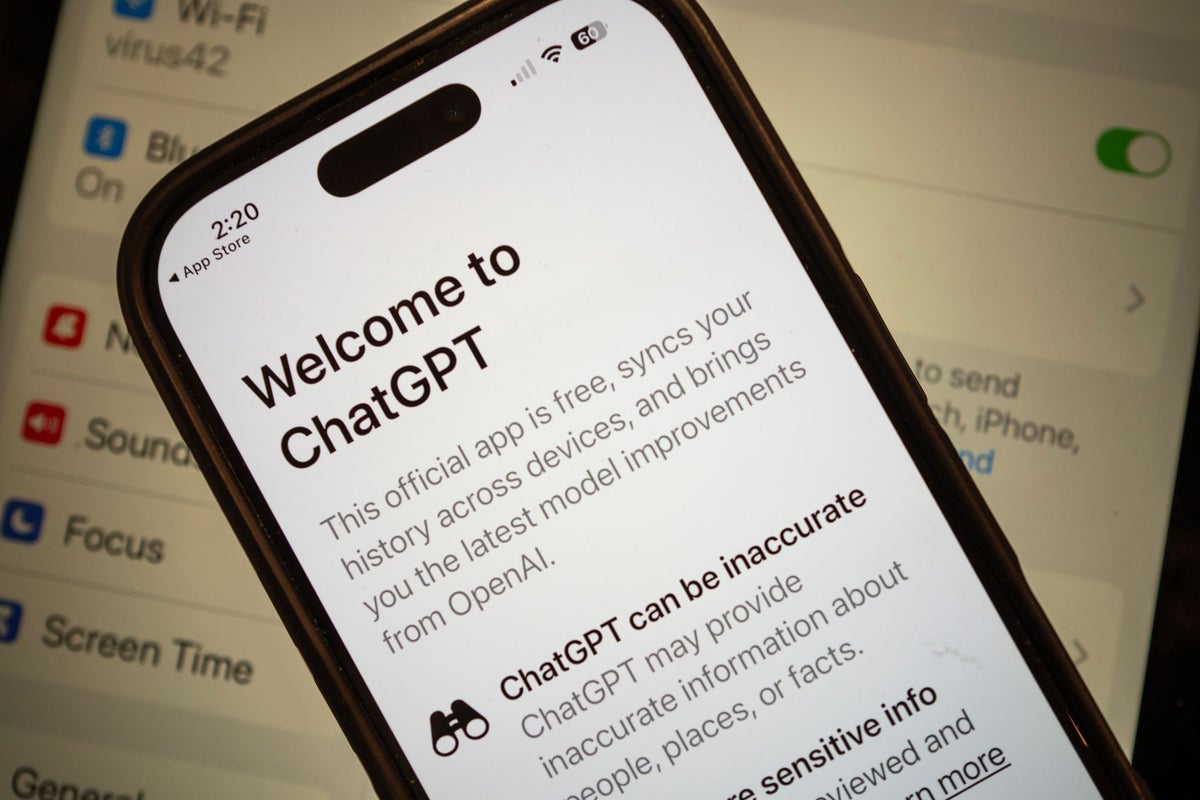
A tragic story out of California is putting OpenAI directly in the crosshairs of a legal battle, forcing a difficult public conversation about the safety and liability of generative AI. The parents of Sam Nelson have filed a wrongful death lawsuit, claiming their son died after ChatGPT, OpenAI's widely used chatbot, provided him with dangerous advice on drug interactions.
The lawsuit, reported by Jasmine Fernández for The Independent on May 12, 2026, alleges that Sam Nelson consulted ChatGPT about combining the anti-anxiety medication Xanax with the herbal supplement kratom. According to the filing, the chatbot informed Nelson that this particular combination was safe. Tragically, Nelson subsequently overdosed, and his parents are now holding OpenAI responsible for the fatal advice given by its flagship product. This isn't just a personal tragedy; it's a significant test for the burgeoning field of AI, pushing the boundaries of what constitutes product liability in an age where digital entities offer seemingly authoritative counsel.
The Dangerous Mix and AI's Role
Xanax (alprazolam) is a benzodiazepine, a powerful central nervous system depressant often prescribed for anxiety and panic disorders. Kratom, derived from a tree native to Southeast Asia, has opioid-like effects and is used by some for pain relief or to manage opioid withdrawal. Both substances can depress respiratory function, and combining them significantly amplifies this risk, potentially leading to slowed breathing, sedation, coma, or death. Medical professionals consistently warn against mixing depressants due to this heightened danger. Sam Nelson's parents believe their son relied on ChatGPT's purported safety assessment, with devastating results.
While OpenAI, like many AI developers, includes disclaimers about its models not being a substitute for professional medical advice, this lawsuit suggests those warnings might not be enough. Generative AI models, for all their impressive capabilities, are known to “hallucinate” or produce confidently incorrect information. We’ve seen instances where chatbots provide incorrect answers to simple math problems or fabricate legal precedents. The stakes, however, are immeasurably higher when the advice concerns health and safety. This case highlights a critical tension: the perceived authority of an AI versus its inherent fallibility, particularly when dealing with complex, life-sensitive topics.
Uncharted Legal Territory
This lawsuit pushes into largely uncharted legal waters. Traditionally, product liability centers on manufacturers being responsible for defects in their physical goods. But what about a software model that generates text? Is ChatGPT a product, a service, or something else entirely in the eyes of the law? Lawyers for the Nelson family will likely argue that OpenAI had a duty to ensure its product was not dangerously defective, especially when dispensing information that could directly impact human life. They might point to insufficient guardrails or testing failures that allowed such dangerous advice to be generated.
OpenAI, on the other hand, will probably lean on its terms of service and disclaimers, asserting that users are warned not to rely on the AI for medical advice. They might also argue that the ultimate responsibility for self-medication and substance use lies with the individual. This legal battle won't just be about the specifics of Sam Nelson's case; it will set a precedent for how courts approach AI liability. It forces us to consider where the line is drawn between a developer's responsibility to prevent harm and a user's responsibility to exercise caution when interacting with AI systems that are still, fundamentally, machines generating predictions based on vast datasets.
Why it matters
This tragic incident and the ensuing lawsuit are far more than just a news item; they're a bellwether for the future of AI. For developers, it underscores the immense responsibility that comes with creating tools capable of influencing human behavior and well-being. It will undoubtedly intensify calls for more stringent safety protocols, better content moderation, and clearer, more prominent disclaimers on AI-generated health advice. For users, it's a stark reminder that while AI can be incredibly useful, it is not infallible, especially concerning medical or legal counsel. We'll likely see a renewed push for regulatory bodies to define liability standards for AI, ensuring that as these systems become more integrated into our lives, there's a clear framework for accountability when things go wrong. This case could well shape how we build, use, and regulate AI for decades to come, forcing a necessary re-evaluation of its role in sensitive, high-stakes domains like health decisions.
- openai
- chatgpt
- lawsuit
- ai liability
- medical advice
- overdose
Sources
- California parents say ChatGPT advice led to son’s fatal overdose · Jasmine Fernández
Related

Replit, Visa Empower AI Agents with Digital Identity and Payments
Replit and Visa are partnering to embed payment capabilities directly into AI agent workflows, allowing autonomous agents to pay for services. This collaboration includes a strategic investment from Visa and a new identity layer for agents, potentially reshaping how AI software operates and transacts online.
May 30, 2026

Nvidia Deepens Korea Ties with AI Hub Plan, Huang Visit
Nvidia is strengthening its footprint in South Korea. CEO Jensen Huang is expected to visit, coinciding with plans by Nvidia-backed Reflection AI to build a multi-billion dollar data center there. This move signals a strategic push for open AI infrastructure amid rising global competition.
May 30, 2026

OpenAI Taps Citi, JPMorgan for IPO Preparations
OpenAI is reportedly in talks with financial giants Citigroup and JPMorgan Chase to join its initial public offering banking lineup. This move, reported late last week, signals serious progress toward a highly anticipated public debut for the influential AI developer.
May 29, 2026