AI·
OpenAI Trial Exposes 'Risky' Anthropic Merger Bid
Former OpenAI board members are testifying in a high-stakes trial between Elon Musk and Sam Altman. Recent testimony from Helen Toner revealed a nearly "shotgun merger" with rival Anthropic during the chaotic November 2023 CEO firing, underscoring deep governance concerns.
The legal battle over OpenAI's origins and governance just got a lot more detailed. As the high-stakes trial pitting Elon Musk against Sam Altman enters its second week, former board members are stepping forward, offering a glimpse into the company's tumultuous past, especially during the November 2023 leadership crisis that saw Altman briefly ousted as CEO.
Among those testifying is Helen Toner, a former OpenAI board member, who recently shed light on just how close the company came to a dramatic, possibly desperate, merger with rival AI firm Anthropic. Her testimony, as reported, painted a picture of an "extremely risky" scenario, describing the potential deal as a "shotgun merger" — an act of last resort in a moment of profound uncertainty. This wasn't some long-term strategic play; it was, by all accounts, a frantic scramble for stability as OpenAI’s leadership imploded.
The November 2023 Firestorm
To understand the gravity of Toner’s account, we have to cast our minds back to November 2023. Sam Altman's sudden firing by the then-board sent shockwaves through the tech world. Key researchers threatened to defect, investors were in an uproar, and the company's future seemed to hang by a thread. In that crucible of chaos, the idea of merging with Anthropic, another leading AI developer formed by former OpenAI researchers, emerged. It suggests a situation so dire that the board considered a drastic consolidation with a competitor, rather than face potential collapse or a mass exodus of talent. It really puts into perspective the pressure cooker environment those board members were operating in, trying to steer a rapidly accelerating AI behemoth through a storm.
We don't know the exact terms or conditions of this potential merger, but the description alone — "extremely risky," "shotgun" — tells us plenty about the board’s perceived lack of other options. It speaks to the fragility of governance structures in rapidly scaling, high-impact technology companies, especially those dealing with something as potentially world-changing as artificial intelligence. It also highlights the intense, often personal, rivalries and relationships at play within the AI community. The fact that a company like OpenAI, valued in the tens of billions, could be contemplating such a move under duress, is a stark reminder that even the biggest players aren't immune to dramatic internal strife.
Broader Board Testimony
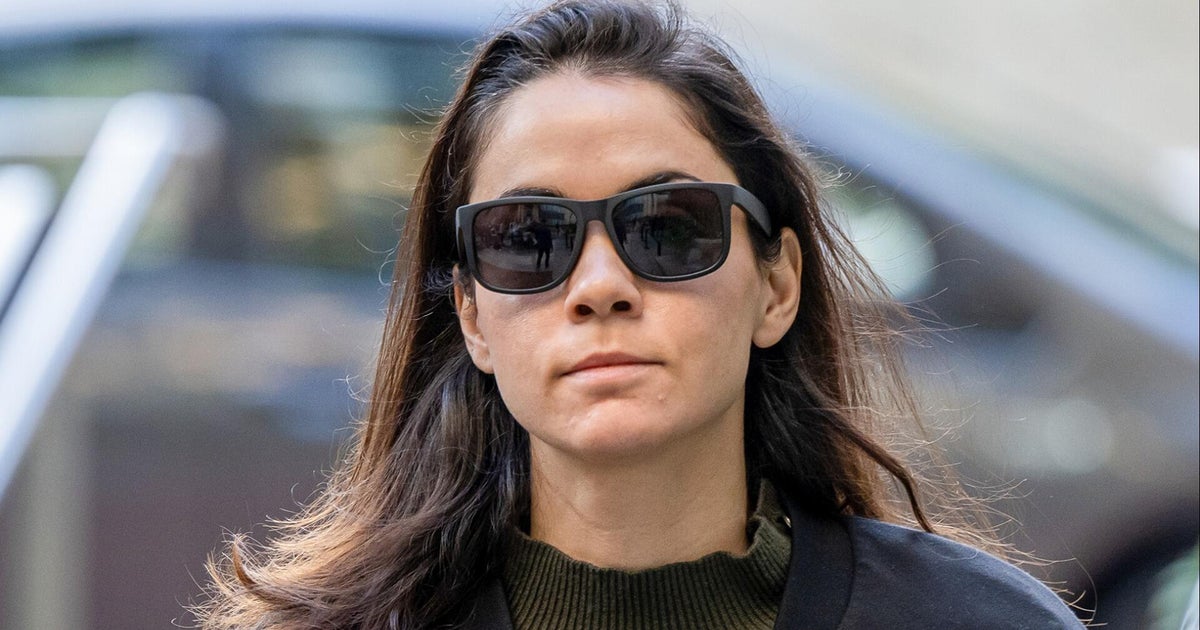
The trial itself is a sprawling affair, with various former board members taking the stand. CBS News reported that the "mother of 4 Musk children" – widely understood to be Shivon Zilis, a director at Neuralink and a former OpenAI board member – also testified as the trial wrapped up its second week. While specifics of her testimony aren't yet public, her appearance, alongside others, indicates the court is hearing a comprehensive account of OpenAI's internal dynamics and the decisions made during its formative and more tumultuous periods. This isn't just about the November firing; it's about the very foundational agreements and understandings that shaped one of the world's most impactful AI labs, and whether they were adhered to.
Elon Musk’s lawsuit alleges, among other things, that Altman and OpenAI deviated from the company's original non-profit, open-source mission. The testimony from these former board members, particularly regarding high-stakes decisions like a near-merger, will undoubtedly play a crucial role in painting a clearer picture of the company's strategic direction and the motivations behind its leadership's actions. It provides a rare public look into the often-opaque world of AI corporate governance, revealing the human drama and high-pressure choices that underpin these powerful organizations.
Why it matters
The ongoing trial and these revelations aren't just about old grudges or boardroom theatrics. They chip away at the narrative of stability at OpenAI and underline the very real, often chaotic, human decisions behind the AI future. It forces us to ask tough questions about who controls powerful AI, how those decisions are made, and what safeguards, if any, are truly in place when the stakes are this high. The future of AI development, and arguably its safety and direction, could hinge on the outcomes and transparency fostered by such intense legal scrutiny.
- openai
- sam altman
- elon musk
- anthropic
- board governance
- ai regulation
Sources
Related

Replit, Visa Empower AI Agents with Digital Identity and Payments
Replit and Visa are partnering to embed payment capabilities directly into AI agent workflows, allowing autonomous agents to pay for services. This collaboration includes a strategic investment from Visa and a new identity layer for agents, potentially reshaping how AI software operates and transacts online.
May 30, 2026
Nvidia Deepens Korea Ties with AI Hub Plan, Huang Visit
Nvidia is strengthening its footprint in South Korea. CEO Jensen Huang is expected to visit, coinciding with plans by Nvidia-backed Reflection AI to build a multi-billion dollar data center there. This move signals a strategic push for open AI infrastructure amid rising global competition.
May 30, 2026

OpenAI Taps Citi, JPMorgan for IPO Preparations
OpenAI is reportedly in talks with financial giants Citigroup and JPMorgan Chase to join its initial public offering banking lineup. This move, reported late last week, signals serious progress toward a highly anticipated public debut for the influential AI developer.
May 29, 2026