AI·
Vatican, Anthropic Call for AI Oversight Amid Job Loss Fears
Pope Leo XIV and Anthropic co-founder Christopher Olah unveiled a Vatican AI encyclical, "Magnifica Humanitas," on May 26, 2026, signaling a rare alliance. Olah warned of massive AI-driven job losses, urging oversight from outside major tech companies. Both leaders emphasized the need for moral scrutiny of artificial intelligence.
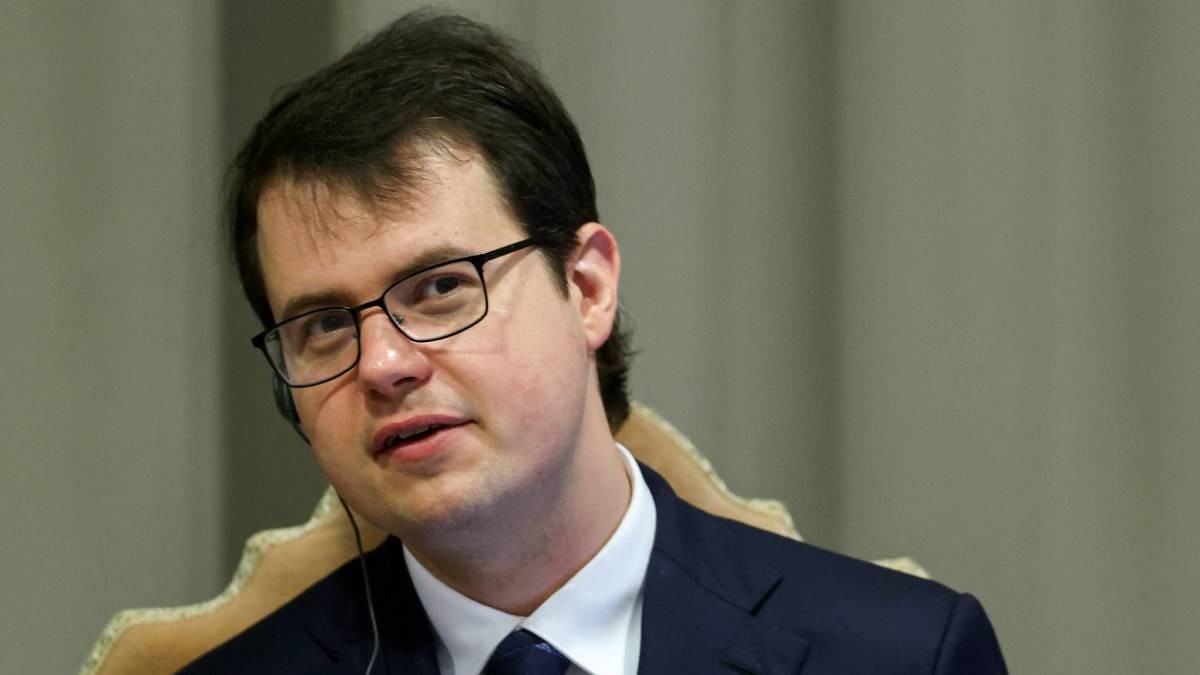
It's not every day a leading figure from the bleeding edge of artificial intelligence stands shoulder-to-shoulder with the head of the Catholic Church to discuss the future. But that's exactly what happened on May 26, 2026, when Pope Leo XIV launched the Vatican's new AI encyclical, "Magnifica Humanitas," alongside Christopher Olah, a co-founder of the prominent AI research firm Anthropic.
The setting was historic: Pope Leo's Vatican, where the Pontiff made clear the Church’s deepening concern over the ethical implications of AI. Olah's presence wasn't just symbolic. It underscored a rare and, frankly, unexpected alliance between the spiritual leader of over a billion Catholics and a technologist whose company is at the forefront of AI development. Both are calling for stronger moral scrutiny of a technology that’s reshaping our world at breakneck speed. This isn't just about faith; it's about the very fabric of society.
A Stark Warning on Jobs
While the partnership itself grabbed headlines, Olah's remarks were particularly pointed. Speaking at the launch, he didn't mince words, warning that artificial intelligence could replace human labor on a "massive scale." This isn't a new concern, of course, but hearing it directly from someone deeply embedded in the industry lends a fresh urgency to the conversation. It suggests that the threat of job displacement isn't some distant, theoretical problem, but a very real and immediate concern for those building the technology.
Olah went further, advocating for "oversight needed from outside Big Tech." This is a critical distinction. It implies a skepticism towards the idea of self-regulation within the industry itself, echoing a sentiment many regulators and ethicists have expressed. If the companies building AI can't be trusted to police themselves, who can? And what would that external oversight look like? Governments, perhaps? International bodies? Academia? The specifics remain hazy, but the call for an independent arbiter is clear.
The Vatican's Moral Compass Enters the Fray
For Pope Leo XIV, "Magnifica Humanitas" marks a significant moment. The Vatican has a long history of weighing in on complex ethical issues, from bioethics to economic justice, often providing a moral framework for global discussions. This encyclical positions AI squarely within that tradition, indicating that the Church sees the development of artificial intelligence as a profound moral challenge, not just a technical one.
Historically, the Church has adapted to and commented on major societal shifts, from the Industrial Revolution to the digital age. This encyclical is its most formalized response yet to the accelerating pace of AI innovation. It's a move that seeks to guide the conversation beyond mere economic or technological efficiency, pushing it towards questions of human dignity, social equity, and the common good. We'll see how various governments and tech leaders respond to this moral call to action.
Why it matters
This convergence of a leading AI developer and the Vatican represents more than just a photo op; it’s a powerful signal. When an insider like Christopher Olah warns of massive job losses and calls for external oversight, and when a global moral authority like the Pope issues an encyclical on AI, it tells us the stakes are incredibly high. It underscores the growing consensus that AI's development can't be left solely to market forces or the tech giants themselves. The call for oversight outside Big Tech is a direct challenge to the industry's autonomy, suggesting a future where AI regulation is not just desired, but demanded, by a diverse and influential coalition of voices.
- ai ethics
- job displacement
- vatican
- anthropic
- regulation
Sources
Related
Claude Chats Exposed on Google: A Privacy Red Flag
Private conversations with Anthropic's Claude AI, including sensitive personal data like therapy notes and cryptocurrency keys, have appeared in Google search results. This leak highlights the ongoing risks of inputting personal information into large language models and the public's often-misplaced trust in their privacy settings.
Aug 4, 2026

Alibaba Launches Qwen3.8-Max: 2.4 Trillion Parameters, But Hold on Benchmarks
Alibaba unveiled its Qwen3.8-Max foundation model this week, boasting 2.4 trillion parameters and advanced multimodal capabilities. While impressive on paper, analysts like Dhruv Mohan urge caution regarding early benchmarks, reminding us that real-world performance often tells a different story.
Aug 4, 2026

AI Giants Head to White House for Safety Talks
Major AI developers — Meta, Anthropic, Google, and OpenAI — are meeting with Trump administration officials to discuss voluntary safety testing for their most advanced models. This high-stakes conversation follows recent disclosures by Anthropic and OpenAI regarding their AI tools breaching other companies' systems.
Aug 3, 2026